
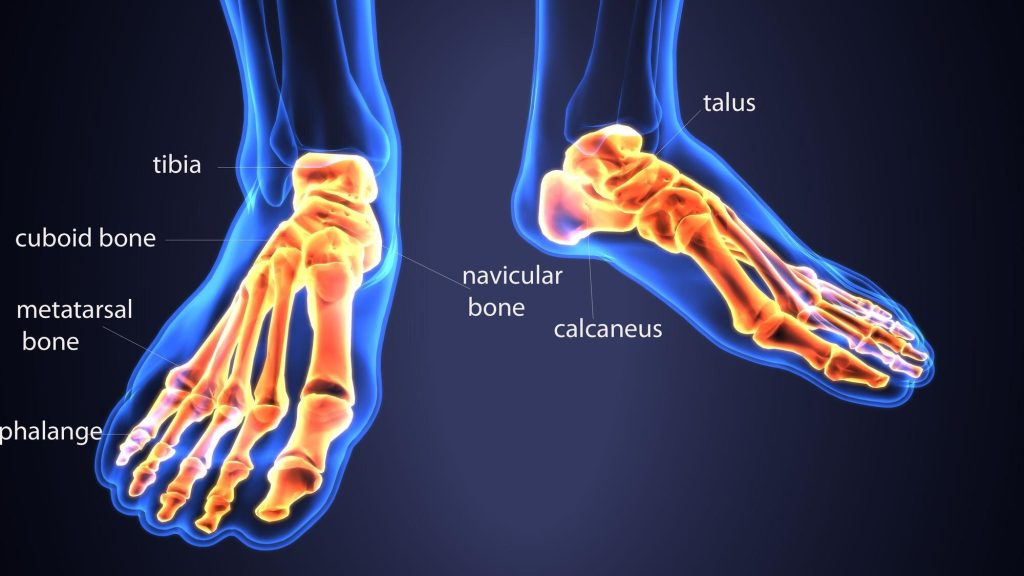
Seattle Foot and Ankle Center advises that while new, mild foot and ankle pain may improve with temporary rest, persistent or recurring pain often signals an underlying issue. Pain that repeatedly returns, worsens with normal activity, or alters your gait typically indicates a mechanical, structural, tendon, bone, or nerve-related cause that rest alone cannot resolve. Instead of continuous rest, consider modifying your activity to identify what your foot can tolerate while determining the pain's origin. A professional evaluation is recommended if pain persists despite activity modification or consistently returns upon resuming normal routines.
Foot and ankle pain does not always require immediate medical attention—but persistent or recurring pain deserves more than repeated rest and hoping it goes away.
A mild ache after an unusually long walk may improve with a short period of reduced activity. But pain that keeps returning, worsens with normal activity, or begins affecting how you walk can have an underlying mechanical, structural, tendon, bone, or nerve-related cause.
Knowing when to rest, modify your activity, or schedule an evaluation can help you avoid weeks of trial and error.
When Rest May Be Reasonable
If your pain is new and relatively mild, a short period of reduced activity may be appropriate.
For example, soreness after an unusually long walk, increased exercise, or prolonged standing may improve when you temporarily reduce the activity that triggered it.
During this period:
- Reduce activities that clearly increase your pain.
- Use ice if it provides relief.
- Elevate the foot if swelling is present.
- Wear supportive, comfortable footwear.
- Resume activity gradually as symptoms improve.
The important question is what happens when you return to normal activity.
If the pain resolves and does not return, the problem may have been related to temporary overuse. If the same pain returns as soon as you resume your normal routine, however, there may be an underlying problem that has not been addressed.
When Rest Is Not Enough
Pain that repeatedly returns after rest deserves a closer look.
Some conditions do not resolve simply because you stop doing the activity that aggravates them. Examples include:
- Stress injuries of the foot
- Tendon disorders
- Plantar fasciitis
- Nerve irritation
- Metatarsalgia and forefoot problems
- Arthritis
- Biomechanical problems
- Structural deformities
Rest may reduce the symptoms temporarily without correcting the reason they developed.
This is especially important if you are repeatedly changing your activity because the same problem keeps coming back.
How Can You Modify Activity for Foot and Ankle Pain Instead of Complete Rest?
Complete rest is not always the best long-term strategy.
If a particular activity aggravates your foot or ankle, consider temporarily changing the way you do it. For example, you might substitute lower-impact exercise for running or reduce the amount of walking that produces symptoms.
Footwear can also matter. Shoes that provide adequate room for the toes and appropriate support may reduce stress on irritated tissues.
Seattle’s hills can make certain foot and ankle problems more noticeable because walking uphill and downhill changes the demands placed on the foot and lower extremity.
The goal is not simply to avoid pain forever. The goal is to identify what your foot can tolerate while determining why the pain is occurring in the first place.
When It Is Time to Book an Evaluation
Consider a professional evaluation when:
- Pain persists despite several days of reasonable activity modification.
- Pain repeatedly returns when you resume normal activity.
- You are changing the way you walk because of pain.
- Swelling continues or keeps returning.
- You have numbness, tingling, or burning.
- You have difficulty bearing weight.
- Pain is interfering with work, exercise, sleep, or everyday activities.
- The problem began after an injury and has not improved as expected.
Sudden severe pain, significant swelling, an obvious deformity, inability to bear weight, or signs of infection warrant prompt medical evaluation rather than continued home treatment.
What Happens During a Foot and Ankle Evaluation?
The goal of a specialist evaluation is not simply to identify where it hurts. It is to determine why it hurts.
At Seattle Foot and Ankle Center, Dr. J. John Hoy evaluates the history of the problem, examines the foot and ankle, and assesses relevant biomechanics and structural factors.
When appropriate, diagnostic imaging may be used to evaluate the bones and joints or to investigate other potential causes of pain.
Depending on the diagnosis, treatment may include:
- Activity modification
- Footwear recommendations
- Rehabilitation
- Custom orthotics
- Bracing or other support
- Shockwave therapy when appropriate
- Injections when clinically indicated
- Surgical treatment when conservative care is unsuccessful or when surgery is the appropriate treatment from the outset
The objective is to match treatment to the actual diagnosis, rather than repeatedly treating the symptom without understanding its cause.
What is the Simple Decision Guide for Foot and Ankle Pain?
REST:
New, mild soreness that is improving with reduced activity may respond to short-term rest and home care.
MODIFY:
Pain that improves but returns with certain activities may require changes in footwear, exercise, activity level, or biomechanics.
BOOK:
Persistent, recurrent, worsening, or function-limiting pain deserves a professional evaluation.
You do not have to wait until foot pain becomes severe before finding out what is causing it.
When Should You See a Seattle Podiatrist for Foot Pain?
If your foot or ankle pain keeps coming back despite reasonable home care, an evaluation can help determine whether the problem is mechanical, structural, tendon-related, nerve-related, or something else.
At Seattle Foot and Ankle Center, Dr. J. John Hoy provides comprehensive evaluation and treatment of foot and ankle conditions, with conservative treatment used whenever clinically appropriate.
If your foot pain keeps returning, the question may not be how long to rest—it may be why it keeps coming back.
In pain? Don’t wait. Early treatment leads to faster recovery. Urgent appointments available. Read about Conditions We Treat. Request an Appointment online. Call: 206-682-8741 or Contact Us. If you like our content, please link it to your website and Collaborate With Us. Thank you.