
Ankle Health Matters: How To Prevent And Treat Chronic Ankle Instability
If you love Seattle’s trails, hills, and city stairs, your ankles do a lot of work. When they keep giving way or feel wobbly after a minor misstep, it can take the joy out of hiking, running, and everyday life. Chronic ankle instability is common in active people, yet you do not have to accept it as your new normal. With a clear diagnosis, targeted rehab, and the right support, you can regain confidence on uneven ground.
Many people assume a recurring ankle sprain simply needs more time, a brace, or additional exercises. In reality, persistent instability may reflect ligament injury, tendon dysfunction, cartilage damage, abnormal foot mechanics, or limited ankle motion. Identifying the underlying cause is the first step toward developing an effective rehabilitation program and determining whether additional treatment is needed.
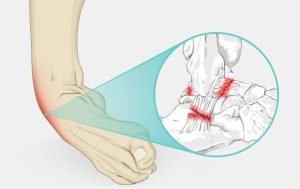
What chronic ankle instability is, and why it happens
Chronic ankle instability means the ankle repeatedly “gives way,” especially on the outer side. It often starts after one significant sprain or a series of smaller sprains that never fully healed. Over time, the lateral ligaments that steady your ankle can stretch or tear. Muscles and tendons may try to compensate, but they fatigue quickly on steep or uneven terrain.
Causes often go beyond the sprain itself:
- Incomplete rehabilitation that leaves ligaments and stabilizing muscles weak or uncoordinated
- Limited ankle dorsiflexion from tight calves or an Achilles contracture, also called equinus, which alters mechanics
- Cartilage injuries in the talus, such as talar dome lesions, that create deep ankle pain and a sense of catching or locking
- Poor shoe fit or worn out midsoles that reduce stability and traction
- Foot structure issues that increase lateral loading during impact
If you keep rolling the same ankle, have swelling that lingers, or feel hesitant on sloped surfaces, you may have instability rather than a simple sprain that needs a few days of rest.
How chronic ankle instability is diagnosed
A precise diagnosis guides an effective plan. Dr. J. John Hoy uses a gentle, thorough approach that starts with your story and a hands-on exam, then adds imaging only when it will change your care.
Here is what to expect:
- History and physical exam: Dr. Hoy checks ligament integrity with specific stress tests, evaluates range of motion, calf tightness, and balance, and looks for tenderness that points to ligament or cartilage injury.
- Imaging when indicated: X‑rays can rule out fractures or bone spurs that block motion. MRI evaluates ligament quality and cartilage, including talar dome lesions. In some cases, a small anesthetic injection helps locate the true pain source.
- Functional assessment: How you walk, climb stairs, and balance on one leg matters. These tests reveal strength and coordination deficits that rehab can fix.
This level of detail is especially important in Seattle where mixed terrain, wet surfaces, and elevation changes challenge your ankles daily.
Because chronic ankle instability can result from several different conditions, treatment should be guided by the underlying diagnosis rather than assuming every unstable ankle follows the same recovery pathway.

Can rehabilitation help with ankle pain or instability
Targeted rehabilitation is a cornerstone of treatment once the underlying causes of instability have been identified. Rehabilitation is most effective when exercises are tailored to the specific ligament, tendon, biomechanical, or cartilage problems contributing to instability. The plan typically includes:
- Proprioception and balance training to retrain your ankle’s reflexes
- Peroneal and calf strengthening to support the lateral ankle during sudden changes in direction
- Dorsiflexion mobility work if equinus is present, plus soft tissue techniques and calf stretching
- Progressive return to running and hiking with sport specific drills, such as lateral hops and trail specific stability work
Consistency matters. Many patients feel better in a few weeks, and continued training leads to durable results.
Footwear, bracing, and support you can use now
Small changes can make a big difference on Seattle’s slick sidewalks and rocky trail sections.
- Footwear: Choose shoes with firm heel counters, torsional stability, and midsoles that are not collapsed. Trail shoes with a wide base and grippy outsole improve traction on wet roots and cobblestones.
- Bracing or taping: A lace up ankle brace or athletic tape can reduce giving way during higher risk activities, from trail runs to pickleball.
- Orthotic support: Off the shelf inserts may help, but if your structure or gait contributes to instability, ask whether seattle custom orthotics could provide better control and alignment.
Nonsurgical and surgical treatment options
Treatment is personalized and starts with the least invasive options that still deliver results.
Nonsurgical options:
- Activity modification for a short period to calm inflammation
- Structured physical therapy and home exercises
- Bracing or taping during sport
- Anti inflammatory strategies and icing as directed
- Immobilization with a boot if symptoms are severe
- For certain cartilage injuries, therapies such as extracorporeal shockwave may be considered to stimulate healing
While many patients improve with rehabilitation, persistent instability should not simply be accepted as “weak ankles.” Ongoing symptoms may reflect structural ligament injury, tendon dysfunction, cartilage damage, or abnormal biomechanics that require further evaluation and individualized treatment.
Surgical options: If your ankle remains unstable after a focused period of rehab, ligament repair or reconstruction may be recommended. Procedures are tailored to the quality of your ligaments and any associated problems like talar dome lesions. The goal is a stable, pain controlled ankle that lets you move confidently on uneven terrain.
When to see a podiatrist for ankle problems
Do not wait if you have any of the following:
- Recurrent sprains or a feeling that the ankle will give out
- Swelling or pain that lingers beyond two weeks
- Locking, catching, or clicking inside the joint
- Night pain, weakness, or numbness
- Difficulty returning to running or hiking without a flare
Early evaluation helps identify the underlying cause of recurrent instability, allowing treatment to focus not only on symptom relief but also on preventing future sprains and long-term joint damage. If you are searching for a podiatrist seattle wa who understands both weekend warriors and competitive athletes, Dr. Hoy welcomes you to our downtown clinic.
Rehabilitation may be an important part of recovery after an ankle sprain or with chronic ankle instability. Treatment may include progressive strengthening, balance and stability training, movement retraining, and graded return to activity. Learn more about Foot & Ankle Rehabilitation.
Is foot and ankle care covered by insurance?
Most medical insurance plans cover evaluation and treatment of ankle injuries and instability. Coverage varies by plan, and prior authorization may be required for imaging, physical therapy, braces, or surgery. Our team is experienced with Washington carriers and will help you navigate referrals and authorizations. If your plan has deductibles or copays, we will explain them before treatment so there are no surprises.
Practical prevention tips for Seattle’s active lifestyle
- Warm up with ankle circles, calf raises, and light jogging, then stretch your calves after activity.
- Build balance with single leg stands on a firm surface, then progress to a foam pad. Add eyes closed drills for challenge.
- Rotate shoes regularly and replace them when midsoles compress or treads wear smooth.
- Train on a variety of surfaces to build resilience, but add trail difficulty gradually.
- Use trekking poles on steep descents, and slow down on wet leaves and painted crosswalks.
- If you have a history of sprains, consider a brace for high demand days and continue maintenance exercises even when you feel good.
Why choose Dr. Hoy for ankle instability care
Dr. Hoy combines sports podiatry expertise with a calm, patient first approach. He listens to your goals, examines thoroughly, and explains every step. From accurate diagnosis to rehab or surgery when needed, you get a plan built for your body and your activities. If you are ready to move with confidence again and want guidance from a seattle foot pain specialist, schedule a visit today. For those who benefit from precision support, we also provide custom orthotics seattle wa to complement your rehab and footwear.
Summary and next steps
Chronic ankle instability is common, but it is treatable. It often follows sprains, calf tightness, or cartilage injury, and it thrives when rehab is incomplete. A careful exam and targeted imaging reveal the full picture, and most people improve with physical therapy, stable footwear, bracing, and activity progressions. If instability persists, surgical repair can restore stability and function.
If your ankle keeps giving way or you are avoiding your favorite routes, do not wait. Get answers, a plan, and lasting relief with a trusted podiatrist in Seattle. Dr. Hoy and our team are here to help you get back to hiking, running, and living well in Seattle.
In pain? Don’t wait. Early treatment leads to faster recovery. Urgent appointments available. Read about Conditions We Treat. Request an Appointment online. Call: 206-682-8741 or Contact Us. Refer a Patient. If you like our content, please link it to your website. Thank you.