
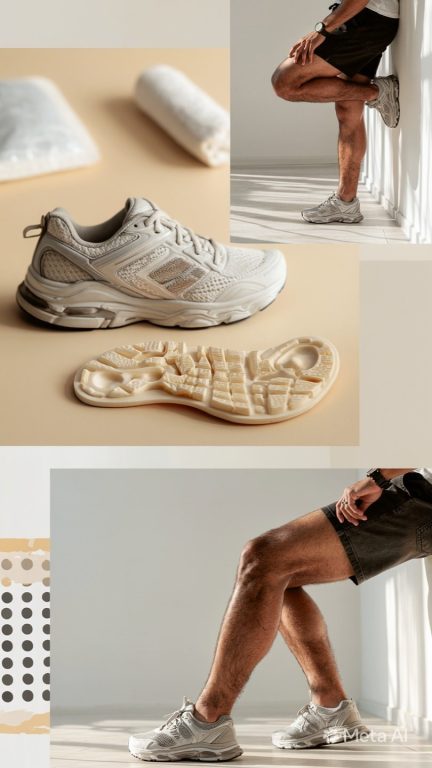
Expert Heel Pain Treatment Advice from Dr. J. John Hoy, Seattle Foot & Ankle Center
Heel pain is one of the most common foot problems affecting adults in Seattle and throughout the Pacific Northwest. Whether you are a runner, healthcare worker, construction worker, teacher, traveler, or simply spending long hours on your feet, heel pain can quickly interfere with daily life, exercise, and work.
Many patients try stretching videos, massage devices, shoe inserts, or “quick fixes” they find online — only to find the pain keeps returning.
The good news is that some home remedies for heel pain really can help. The key is understanding what type of heel pain you have and using treatments that support healing instead of worsening the condition.
At Seattle Foot & Ankle Center, Dr. J. John Hoy provides specialized diagnosis and treatment for plantar fasciitis, Achilles tendon disorders, stress injuries, nerve entrapment, arthritis, and other causes of heel pain.
Below are some of the most effective home remedies that may help reduce heel pain and support recovery.
What Causes Heel Pain?
Heel pain is not a single condition. It is a symptom that can result from several different problems involving the bones, tendons, ligaments, fascia, joints, nerves, or biomechanics of the foot.
Common causes of heel pain include:
- Plantar fasciitis
- Heel spur syndrome
- Achilles tendinitis
- Achilles tendinopathy
- Stress fractures
- Nerve irritation or entrapment
- Heel pad syndrome
- Arthritis
- Flat feet or biomechanical instability
- Tight calf muscles
- Overuse injuries
Accurate diagnosis matters because treatments that help one condition may worsen another.
For example, aggressive stretching or excessive activity may aggravate certain tendon injuries or stress reactions if introduced too early.
How Does Reducing Aggravating Activity Help Heel Pain?
One of the most important — and most overlooked — treatments for heel pain is reducing repetitive stress.
Many patients continue:
- Running
- Hiking
- Jumping exercise
- Long walking distances
- Standing for prolonged periods
- Barefoot walking on hard floors
…while expecting the heel to heal.
Pain is often a sign that the tissue is overloaded. Reducing strain temporarily allows inflammation and microtrauma to calm down.
This does not necessarily mean complete inactivity, but it often means modifying activity while healing occurs.
Why Should You Wear Supportive Shoes for Heel Pain?
Walking barefoot or wearing unsupportive shoes is one of the most common reasons heel pain persists.
Supportive shoes help reduce strain on the plantar fascia, Achilles tendon, and heel structures.
Helpful features include:
- Firm arch support
- Cushioned heel
- Stable midsole
- Shock absorption
- Proper fit
- Avoidance of excessive flexibility
Patients with heel pain often do poorly in flat sandals, worn-out sneakers, minimalist shoes, or unsupportive slippers.
Even at home, supportive footwear may significantly reduce symptoms.
How Do Over-the-Counter Orthotics Help Heel Pain?
Many cases of heel pain are related to abnormal foot mechanics and excessive strain.
Quality over-the-counter orthotics may help:
- Support the arch
- Reduce stress on the plantar fascia
- Improve foot alignment
- Reduce fatigue
- Improve shock absorption
Simple biomechanical support is often more effective than repeatedly stretching or massaging an unstable foot.
Custom orthotics may be recommended in more severe or chronic cases.
How Should You Properly Ice Your Heel for Pain Relief?
Ice can help reduce inflammation and pain, particularly during the early stages of heel pain.
Helpful methods include:
- Ice packs for 15–20 minutes
- Frozen water bottle rolling
- Ice massage after activity
Avoid prolonged direct ice exposure to prevent skin irritation.
Ice is most effective when combined with activity modification and proper support.
How Should You Stretch for Heel Pain: Carefully or Aggressively?
Stretching may help some patients, especially when tight calf muscles contribute to plantar fasciitis or Achilles strain.
Helpful stretches may include:
- Calf stretches
- Achilles tendon stretching
- Plantar fascia stretching
However, more stretching is not always better.
Aggressive stretching during active inflammation or certain tendon injuries may worsen symptoms. Stretching should be gentle, controlled, and individualized to the condition.
Pain during stretching is generally a sign to stop or reduce intensity.
Why Should You Avoid Walking Barefoot with Heel Pain?
Barefoot walking places increased strain on the plantar fascia and heel structures, particularly on hard surfaces common in homes and workplaces.
Patients with heel pain often notice worsening symptoms:
- First thing in the morning
- After sitting
- On hardwood or tile floors
- After prolonged standing barefoot
Supportive recovery sandals or structured shoes indoors may significantly improve healing.
How Does Maintaining Calf and Foot Mobility Help Heel Pain?
Tight calf muscles and poor ankle flexibility commonly contribute to heel pain.
Gentle mobility exercises may help improve function and reduce stress on the foot.
Examples include:
- Ankle range-of-motion exercises
- Controlled calf stretching
- Toe mobility exercises
- Rolling the foot gently on a ball
Mobility work should not sharply increase pain.
8. Consider Night Splints for Morning Heel Pain
Patients with plantar fasciitis often experience severe pain with their first steps in the morning.
Night splints help maintain a gentle stretch overnight, reducing tightening of the plantar fascia during sleep.
Some patients experience substantial improvement after several weeks of consistent use.
How Does Weight-Bearing Overload Contribute to Heel Pain?
Heel pain frequently develops because the tissues are overloaded faster than they can recover.
Contributing factors may include:
- Sudden increase in activity
- Weight gain
- Standing occupations
- Improper footwear
- Training errors
- Poor biomechanics
Reducing repetitive overload is often more important than simply treating inflammation alone.
10. Know When Home Remedies Are Not Enough
Many mild cases of heel pain improve with conservative care. However, persistent or worsening pain should not be ignored.
You should seek professional evaluation if you experience:
- Pain lasting more than several weeks
- Difficulty walking
- Significant swelling
- Numbness or tingling
- Sudden severe pain
- Pain after trauma
- Night pain
- Failure of home treatment
Not all heel pain is plantar fasciitis. Stress fractures, tendon injuries, nerve problems, and inflammatory conditions may require advanced treatment.
When Heel Pain Requires Professional Treatment
If home remedies are not helping, additional treatment may include:
- Digital X-rays
- Immobilization
- Walking boots
- Custom orthotics
- Physical therapy
- Biomechanical evaluation
- Extracorporeal Shockwave Therapy (ESWT)
- Injection therapy
- MRI evaluation
- Surgical treatment in severe cases
At Seattle Foot & Ankle Center, treatment plans are individualized based on the cause of heel pain, activity level, biomechanics, and healing stage.
Shockwave Therapy for Chronic Heel Pain
Dr. Hoy utilizes Extracorporeal Shockwave Therapy (ESWT) for selected chronic heel pain conditions that have not improved with standard conservative treatment.
Shockwave therapy uses acoustic energy waves to stimulate healing in damaged tissue and may help reduce chronic inflammation and pain without surgery.
It is commonly used for:
- Chronic plantar fasciitis
- Achilles tendinopathy
- Persistent heel pain
- Slow-healing soft tissue injuries
Why Heel Pain Often Becomes Chronic
Many chronic heel pain cases worsen because patients:
- Continue overloading the foot
- Wear poor footwear
- Begin aggressive exercise too early
- Ignore biomechanical problems
- Delay proper diagnosis
- Attempt repeated self-treatment without improvement
Early diagnosis and proper treatment timing help prevent chronic inflammation, tearing, instability, and long-term disability.
Frequently Asked Questions About Heel Pain
Plantar fasciitis is one of the most common causes of heel pain. It involves inflammation and microtearing of the plantar fascia, a thick band of tissue supporting the arch.
However, heel pain may also result from tendon injuries, stress fractures, nerve irritation, arthritis, or biomechanical instability.
It depends on the cause and severity of the condition.
Mild walking may help some patients, while excessive walking or standing may worsen inflammation and tissue damage in others.
Pain during or after activity is often a sign that the tissue is overloaded.
Some mild cases improve with rest, supportive footwear, and activity modification.
However, persistent heel pain often becomes chronic without appropriate treatment, especially if underlying biomechanical problems are not addressed.
Gentle stretching may help certain patients, particularly when calf tightness contributes to symptoms.
Aggressive stretching, especially during active inflammation, may worsen pain in some cases.
Stretching should be individualized and introduced appropriately.
Supportive shoes with cushioning, arch support, shock absorption, and stability generally help reduce heel strain.
Avoid worn-out shoes, flat sandals, barefoot walking, and unsupportive footwear during recovery.
You should seek evaluation if heel pain:
Persists for several weeks
Limits activity or walking
Worsens despite home treatment
Causes limping or instability
Develops after injury or trauma
Early diagnosis can help prevent chronic pain and prolonged recovery.
Seattle Heel Pain Treatment with Dr. J. John Hoy
If heel pain is interfering with your work, exercise, or daily activities, early treatment can help prevent chronic problems and speed recovery.
Seattle Foot & Ankle Center provides specialized diagnosis and treatment for plantar fasciitis, Achilles injuries, stress fractures, chronic heel pain, and other foot and ankle conditions.
Call Seattle Foot & Ankle Center today to schedule your heel pain evaluation with Dr. J. John Hoy.
In pain? Don’t wait. Early treatment leads to faster recovery. Urgent appointments available. Read about Conditions We Treat. Request an Appointment online. Call: 206-682-8741 or Contact Us. If you like our content, please link it to your website and Collaborate With Us. Thank you.