
Heel pain every morning? If you’re in Seattle and your pain won’t quit after weeks, it might not be plantar fasciitis. Many local runners, hikers, and workers on their feet face other causes that need different care. We’ll walk you through what to watch for, when to see a podiatrist, and how Dr. J. John Hoy DPM can help you find relief with a precise diagnosis and targeted treatment. Still dealing with heel pain after 1–2 weeks or unsure it’s plantar fasciitis? Book an appointment online or call our Seattle clinic to get a clear diagnosis and a treatment plan that works.
Heel pain that persists for more than one to two weeks may not be plantar fasciitis, requiring a precise diagnosis for effective treatment. Conditions such as Achilles tendinitis, bursitis, or nerve issues can mimic plantar fasciitis symptoms, leading to common misdiagnoses. Seattle Foot and Ankle Center emphasizes that understanding the true underlying cause is crucial, as incorrect self-treatment can prolong discomfort. A podiatrist can provide a precise assessment to ensure no underlying conditions are missed and to guide appropriate care.
When Heel Pain Isn’t Plantar Fasciitis
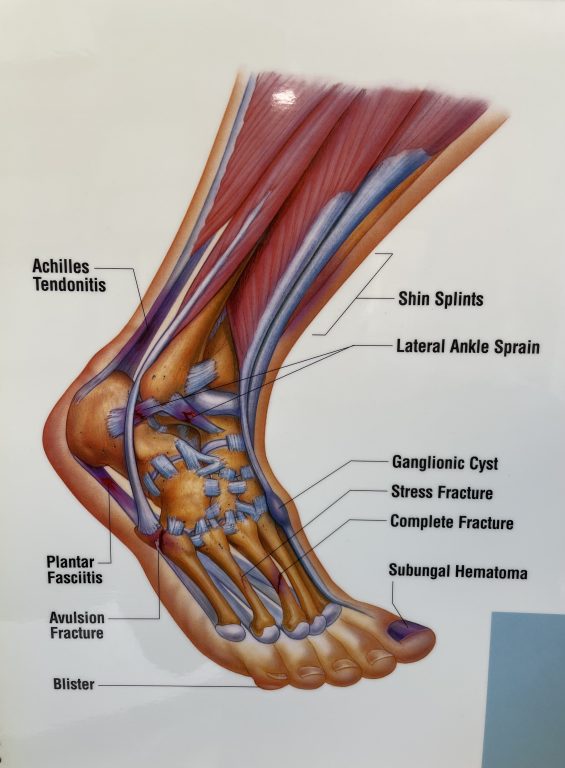
If your heel pain persists despite your best efforts, it might be due to something other than plantar fasciitis. Many in Seattle experience this confusion. Understanding the real cause is key to finding relief.
What are common misdiagnoses for heel pain?
Common misdiagnoses for heel pain include conditions like Achilles tendinitis, nerve issues, and retrocalcaneal bursitis, which are often mistaken for plantar fasciitis. Many individuals experience persistent heel pain without improvement because they are self-treating for plantar fasciitis when another underlying condition is the true cause. A podiatrist like Dr. Hoy can help identify the true cause quickly, preventing unnecessary treatments and prolonged discomfort.
When should you seek professional help for heel pain?
So when should you consider a specialist? If your heel pain lasts more than one to two weeks without improvement, it’s time to consult an expert. A podiatrist can offer a precise assessment, ensuring no underlying conditions are missed. Persistent pain, difficulty walking, or pain that spreads are all red flags. Seattle’s active lifestyle makes it easy to overlook these signs, but experts stress the importance of early intervention. Seeking professional help sooner rather than later can save you from ongoing pain and complex treatments. Remember, the longer you wait, the harder it might be to get back on your feet comfortably.
Alternative Causes of Heel Pain

If it’s not plantar fasciitis, what else could it be? Let’s explore some common but lesser-known causes of heel pain that can affect many in Seattle.
Achilles Tendinitis and Bursitis
Achilles tendinitis is a common culprit that often masquerades as plantar fasciitis. This condition arises from repetitive strain on the Achilles tendon, common in runners and those standing for extended periods. The tendon becomes inflamed, and you might feel pain at the back of your heel. Conversely, bursitis, inflammation of the fluid-filled sac cushioning your heel, can stem from overuse or improper footwear. Both conditions can cause significant discomfort and need a different approach to treatment. If you’re experiencing swelling or tenderness at the back of your heel, it’s worth considering these conditions. Proper diagnosis is essential for effective treatment, which may involve tailored exercises and footwear modifications.
Stress Fractures and Nerve Entrapment
Stress fractures are tiny cracks in the heel bone, often caused by excessive stress or impact. They are common among those who suddenly increase their physical activity levels. Pain from stress fractures typically worsens with weight-bearing activities. On the other hand, nerve entrapment, such as Baxter’s nerve entrapment or tarsal tunnel syndrome, can cause sharp, shooting pains or tingling sensations. These conditions are tricky, often misdiagnosed, as they mimic other foot issues. If you suspect these conditions, a podiatrist can offer imaging tests to confirm the diagnosis. Recognizing the signs early can prevent further damage and ensure a quicker recovery.
Effective Treatments Beyond Home Care

If home remedies aren’t cutting it, what next? Let’s dive into the effective treatments available in Seattle that go beyond basic care.
What is the specialist-first approach for heel pain treatment?
The specialist-first approach for heel pain treatment involves visiting a podiatrist like Dr. Hoy for a thorough examination and accurate diagnosis, which is the foundation of any effective treatment plan. This personalized approach ensures treatment targets the root cause of your heel pain, often leading to faster recovery. Common treatment options include custom orthotics and specific exercises to strengthen supportive muscles.
What advanced therapies are available for chronic heel pain?
Advanced therapies available for chronic heel pain include shockwave therapy and guided injections. Shockwave therapy is a non-invasive treatment that stimulates healing by sending sound waves to the affected area, particularly useful for stubborn cases. Guided injections can alleviate inflammation in severe cases. These options can provide relief if your heel pain remains unresolved, and discussing them with your podiatrist can help determine what might work best for you.
Dealing with persistent heel pain in Seattle? Consider booking an appointment with Dr. J. John Hoy DPM for a thorough evaluation and a step towards pain relief.
In pain? Don’t wait. Early treatment leads to faster recovery. Urgent appointments available. Read about Conditions We Treat. Request an Appointment online. Call: 206-682-8741 or Contact Us. If you like our content, please link it to your website and Collaborate With Us. Thank you.