

Foot pain can turn simple steps into a daily struggle. Many in Seattle face this challenge without knowing the exact cause or where to turn for help. At Seattle Foot and Ankle Center, Dr. J. John Hoy offers thorough diagnosis and a range of treatment options tailored to your unique needs. Read on to learn how expert care can bring you relief and restore your mobility. For more information about conditions we treat, please read our webpage.
Foot pain, which can stem from common conditions like plantar fasciitis (affecting an estimated 10% of people), metatarsalgia, or heel and arch pain, is thoroughly diagnosed by Dr. J. John Hoy at Seattle Foot and Ankle Center. Diagnosis involves a comprehensive physical examination, including gait analysis, and imaging techniques such as X-rays or MRIs to pinpoint the underlying cause. Treatment options are tailored to individual needs and may include conservative approaches like stretching, supportive footwear, custom orthotics, rehabilitation, or changes in shoe type to alleviate discomfort and restore mobility.
Common Causes of Foot Pain
Understanding why our feet hurt is the first step towards relief. Let’s explore the common culprits that cause discomfort.
Understanding Plantar Fasciitis
Plantar fasciitis often starts with a sharp pain when you step out of bed. This pain can lessen with movement but may return after standing or sitting for a while. The plantar fascia is a thick band of tissue supporting your arch. Overuse or strain can cause small tears, leading to inflammation. Did you know? An estimated 10% of people experience this condition at some point.
Many find relief through stretching exercises or supportive footwear. Others benefit from custom orthotics, which provide targeted support. To learn more about this condition, check out this plantar fasciitis and heel pain guide.
Identifying Heel and Arch Pain
Heel pain can really disrupt your day. It can stem from various conditions, with plantar fasciitis being a major cause. Most people assume heel spurs are the primary issue, but it is the inflammation from the fascia pulling on the bone that is often the real culprit.
Wearing shoes with proper support can prevent heel pain. Orthotics and rehabilitation can also be beneficial.
Exploring Metatarsalgia
Metatarsalgia affects the ball of your foot. It feels like stepping on pebbles and can worsen with activity. This discomfort is often due to excessive pressure on the metatarsal heads, the bones behind your toes. Surprisingly, this condition is more common in those who frequently wear high heels.
Switching to wider shoes can alleviate symptoms. In some cases, cushioning insoles provide the needed relief. Understanding and addressing the root causes can make walking comfortable again.
Diagnostic Process and Tools

Identifying the cause of foot pain requires a thorough diagnostic approach. Let’s discuss the tools and methods used to pinpoint issues accurately.
Comprehensive Physical Examination
A comprehensive physical examination including gait analysis can reveal abnormalities that may contribute to pain. By examining your feet, Dr. Hoy can identify specific areas needing attention. This step is crucial for creating an effective treatment plan tailored to your needs.
Through this process, we can recommend orthotics or suggest changes in footwear to improve your walking mechanics. Here’s the key insight: small changes in how you walk can lead to significant pain reduction.
Imaging Techniques for Accurate Diagnosis
Imaging techniques, like X-rays or MRIs, help in visualizing the internal structures of your foot. These tools reveal fractures, spurs, or any abnormal growths. Did you know? MRIs offer detailed views of soft tissues, making them invaluable for diagnosing issues like tendon damage.
With precise imaging, you get a clearer picture of what’s happening inside your foot, leading to more accurate diagnoses. This ensures that your treatment plan addresses the real problem.
Personalized Evaluation and History
A personalized evaluation involves discussing your medical history and lifestyle. This conversation helps in identifying patterns or activities that might be contributing to your pain. Most people focus on symptoms, but understanding the origin is key to effective treatment.
Dr. Hoy takes time to understand your unique situation, ensuring that your care plan is both comprehensive and personalized. This approach not only addresses your current pain but also helps prevent future issues.
Treatment Options and Care Plans
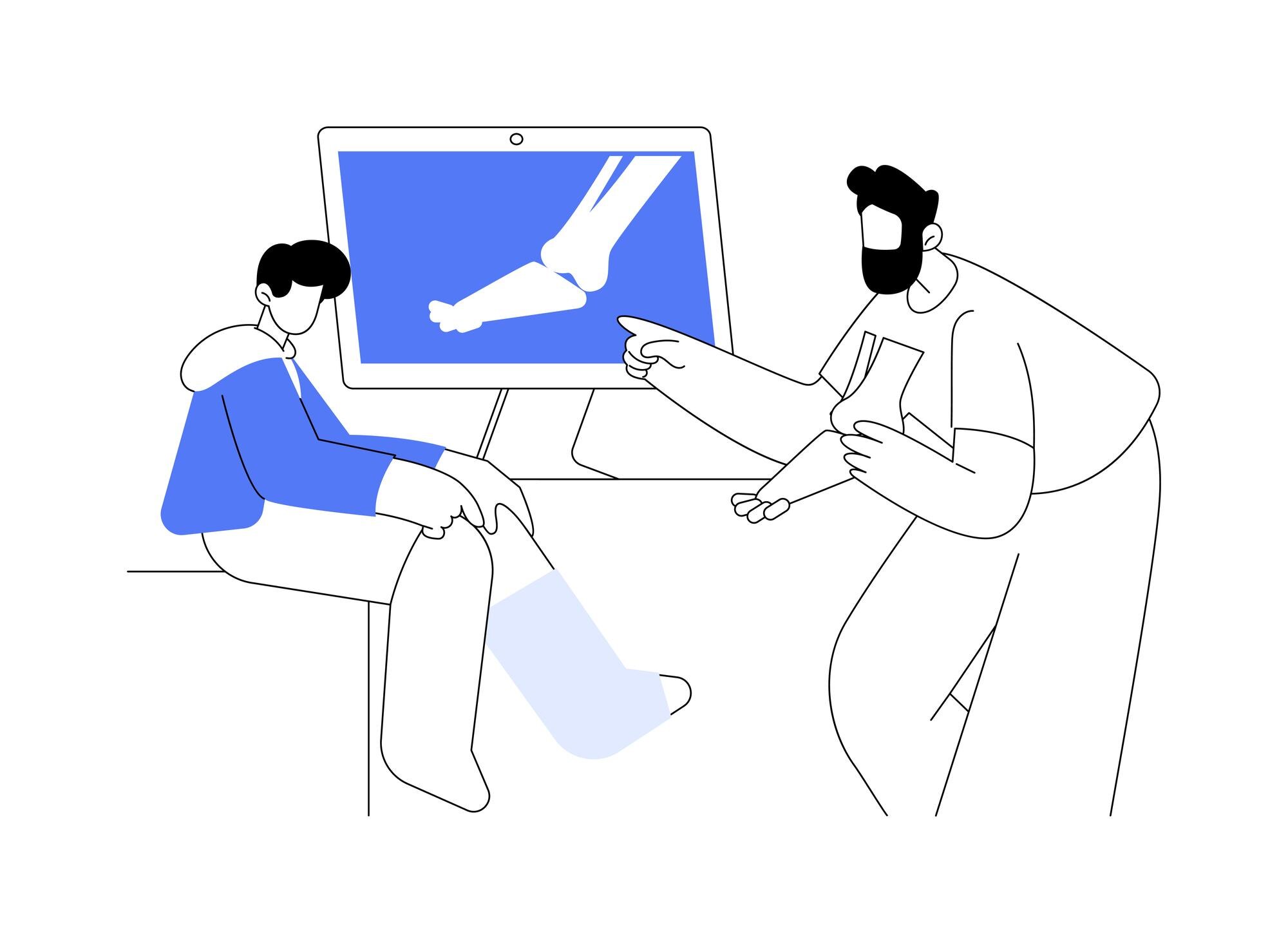
Once we identify the cause of your discomfort, tailored treatment options can bring relief. Let’s explore the paths to recovery and prevention.
Conservative Management Strategies
Many foot conditions improve with conservative treatment. These strategies include rest, ice, compression, and elevation (RICE). Did you know? Proper rest can significantly speed up recovery for conditions like sprains.
Rehabilitation and custom orthotics can also support healing. These approaches focus on reducing inflammation and providing support to the affected areas. For a practical guide to foot care, visit What Podiatrists Treat.
Surgical Interventions for Complex Cases
In some cases, surgery becomes necessary to correct deformities or severe damage. Dr. Hoy specializes in reconstructive foot surgery, ensuring you receive expert care. It’s a common belief that surgery is the only option for foot pain, but it’s often the last resort.
Surgical interventions are considered when other treatments fail to provide relief. Recovery plans are tailored to help you regain full mobility and function, minimizing downtime.
Sports Medicine and Injury Prevention
Active individuals often face unique challenges with foot health. Sports podiatry focuses on preventing injuries through proper footwear and conditioning. The longer you wait to address pain, the more it can impact your performance.
Custom orthotics and specific exercises can prevent common sports injuries. By addressing biomechanical issues early, you can maintain peak performance and reduce injury risk. For more on sports medicine, check out this site.
By understanding the root causes of your foot pain and exploring available treatment options, you can take proactive steps toward relief. Dr. J. John Hoy’s expertise in foot and ankle care ensures that you receive compassionate, customized treatment tailored to your needs. Whether you’re dealing with plantar fasciitis, heel pain, or sports injuries, the path to recovery is clear with the right guidance.
In pain? Don’t wait. Early treatment leads to faster recovery. Urgent appointments available. Read about Conditions We Treat. Request an Appointment online. Call: 206-682-8741 or Contact Us. If you like our content, please link it to your website and Collaborate With Us. Thank you.