
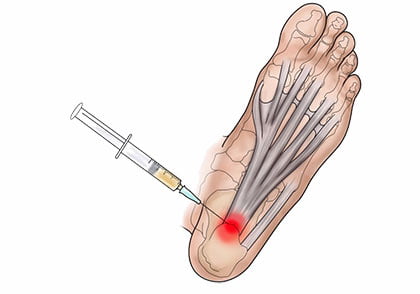
Heel pain is one of the most common reasons patients seek care from a Seattle podiatrist. Whether it shows up as sharp pain with your first steps in the morning, discomfort after a long shift on your feet, or soreness after hiking Seattle’s hills and trails, persistent heel pain is often linked to conditions like plantar fasciitis.
When rest, stretching, supportive shoes, and anti-inflammatory measures are not enough, cortisone injections may be considered as part of a treatment plan. At Seattle Foot and Ankle Center, J. John Hoy uses a careful, individualized approach to determine when injections are appropriate—and when other treatments may be more effective long-term.
What Are Cortisone Injections for Heel Pain?
Cortisone (a corticosteroid) is a powerful anti-inflammatory medication. When injected into or near an inflamed area of the heel—most commonly the plantar fascia—it can reduce swelling and pain.
These injections are typically used when conservative treatments such as:
- Stretching and physical therapy
- Supportive footwear or orthotics
- Activity modification
- Anti-inflammatory medications
have not provided sufficient relief.
Benefits of Cortisone Injections
For appropriately selected patients, cortisone injections can offer several benefits:
1. Fast pain relief
Many patients experience noticeable improvement within days, making it helpful for acute flare-ups of heel pain.
2. Reduced inflammation
Cortisone directly targets inflammation in the plantar fascia or surrounding soft tissue, helping break the pain cycle.
3. Improved mobility
With reduced pain, patients are often able to return to walking, work, and daily activities more comfortably.
4. Support for rehabilitation
Pain relief can make it easier to participate in stretching, strengthening, and other long-term recovery strategies.
Risks and Limitations
While cortisone injections can be effective, they are not a cure for the underlying cause of heel pain and come with important considerations.
1. Temporary relief
Pain may return if underlying biomechanical issues are not addressed.
2. Fat pad thinning
Repeated injections in the heel can, in some cases, lead to thinning of the protective fat pad.
3. Plantar fascia weakening
Overuse of corticosteroids may increase the risk of plantar fascia rupture, though this is uncommon.
4. Short-term flare or discomfort
Some patients experience a brief increase in pain after the injection before improvement begins.
Because of these risks, cortisone injections are used selectively and typically not as a first-line or repeated treatment.
When Are Cortisone Injections Appropriate?
Cortisone injections may be considered when:
- Heel pain has lasted several weeks to months
- Conservative care has not provided adequate relief
- Pain is limiting walking, work, or exercise
- Imaging and exam confirm inflammation as the primary issue
A full evaluation is essential to ensure the correct diagnosis and avoid masking other conditions that may require different treatment.
What Long-Term Treatments Are Important for Heel Pain?
Even when injections are used, long-term success depends on addressing the root cause of heel pain. This may include:
- Custom or over-the-counter orthotics
- Calf and plantar fascia stretching programs
- Footwear changes
- Physical therapy
- Gradual return-to-activity plans
The goal is not just pain relief—but preventing recurrence.
Seattle Lifestyle and Heel Pain
Seattle’s active lifestyle—walking hills, commuting, standing workdays, and frequent trail use—places extra stress on the feet. Conditions like plantar fasciitis are especially common in patients who increase activity quickly or wear unsupportive footwear.
Early evaluation can prevent months of ongoing discomfort and reduce the need for more aggressive treatments.
Get Expert Heel Pain Treatment in Seattle
If heel pain is limiting your ability to work, run, hike, or simply walk comfortably, a targeted evaluation can help identify the true cause and the best treatment options.
At Seattle Foot and Ankle Center, J. John Hoy provides comprehensive diagnosis and personalized treatment plans for heel pain, plantar fasciitis, and related foot and ankle conditions.
Schedule an appointment today and take the first step toward lasting relief.
In pain? Don’t wait. Early treatment leads to faster recovery. Urgent appointments available. Read about Conditions We Treat. Request an Appointment online. Call: 206-682-8741 or Contact Us. If you like our content, please link it to your website and Collaborate With Us. Thank you.