
When Heel Pain Requires Surgery
Most heel pain does not require surgery.
In fact, approximately 90% of patients with plantar fasciitis, heel spurs, Achilles tendon disorders, and other common causes of heel pain improve with a combination of activity modification, stretching, supportive footwear, orthotics, physical therapy, anti-inflammatory treatment, or other conservative therapies.
However, if heel pain continues for months despite appropriate treatment, surgery may become an option.
At Seattle Foot and Ankle Center, Dr. J. John Hoy believes surgery should never be the first treatment—but it also should not be delayed indefinitely when conservative care has clearly failed. The key is determining why your heel still hurts before considering an operation.
Most Heel Pain Is Treatable Without Surgery
Many people assume that persistent heel pain automatically means they need surgery.
Fortunately, that is rarely true.
The first step is obtaining an accurate diagnosis because heel pain is not a single condition. Common causes include:
- Plantar fasciitis
- Plantar fascia tears
- Baxter’s nerve entrapment
- Heel stress fractures
- Achilles tendinopathy
- Haglund’s deformity
- Retrocalcaneal bursitis
- Tarsal tunnel syndrome
- Inflammatory arthritis
- Nerve disorders
Each condition requires a different treatment approach.
Treating the wrong diagnosis can prolong pain for months.
How Long Should Heel Pain Be Treated Before Surgery?
There is no universal timeline.
Many patients improve within several weeks.
Others require six to twelve months of structured conservative treatment before surgery is considered.
Factors that influence treatment include:
- Severity of symptoms
- Duration of pain
- MRI or ultrasound findings
- Previous treatments
- Activity level
- Overall health
- Weight-bearing demands at work
Rather than focusing solely on time, physicians evaluate whether healing is continuing or whether progress has plateaued.
Signs Heel Pain May Require Surgery
Although every patient is different, surgery may be considered when:
Pain Persists Despite Comprehensive Conservative Care
Treatment has included several appropriate non-surgical options such as:
- Stretching
- Supportive footwear
- Orthotics
- Night splints
- Physical therapy
- Immobilization when indicated
- Anti-inflammatory medications
- Activity modification
- Corticosteroid injections when appropriate
- Extracorporeal shockwave therapy (ESWT)
If symptoms remain disabling after months of appropriate treatment, surgery may become reasonable.
Daily Activities Become Limited
Heel pain is more concerning when it interferes with normal life.
Examples include:
- Walking short distances
- Standing at work
- Exercising
- Caring for family
- Sleeping due to night pain
Persistent disability is often a more important consideration than pain alone.
Imaging Shows Structural Damage
Sometimes MRI or ultrasound demonstrates problems unlikely to improve without surgery, including:
- Large plantar fascia tears
- Chronic Achilles tendon degeneration
- Tendon rupture
- Significant heel bone deformities
- Nerve compression
- Bone tumors (rare)
Imaging helps match treatment to the underlying problem.
Symptoms Continue Returning
Some patients improve temporarily only to experience repeated flare-ups.
Recurring symptoms despite multiple treatment attempts may indicate that the underlying mechanical problem has not been corrected.
Conditions That Sometimes Require Heel Surgery
Although surgery is uncommon, it may be recommended for certain conditions.
Chronic Plantar Fasciitis
Most plantar fasciitis improves without surgery.
For the small percentage of patients who continue to experience severe pain after prolonged conservative care, procedures may include:
- Partial plantar fascia release
- Plantar fascia debridement
- Nerve release in selected cases
The specific procedure depends upon the underlying cause of pain.
Achilles Tendon Disorders
Surgery may be considered for:
- Chronic Achilles tendinosis
- Large tendon tears
- Insertional Achilles disease
- Haglund’s deformity
Treatment may involve removal of damaged tendon tissue, bone prominence reduction, or tendon repair.
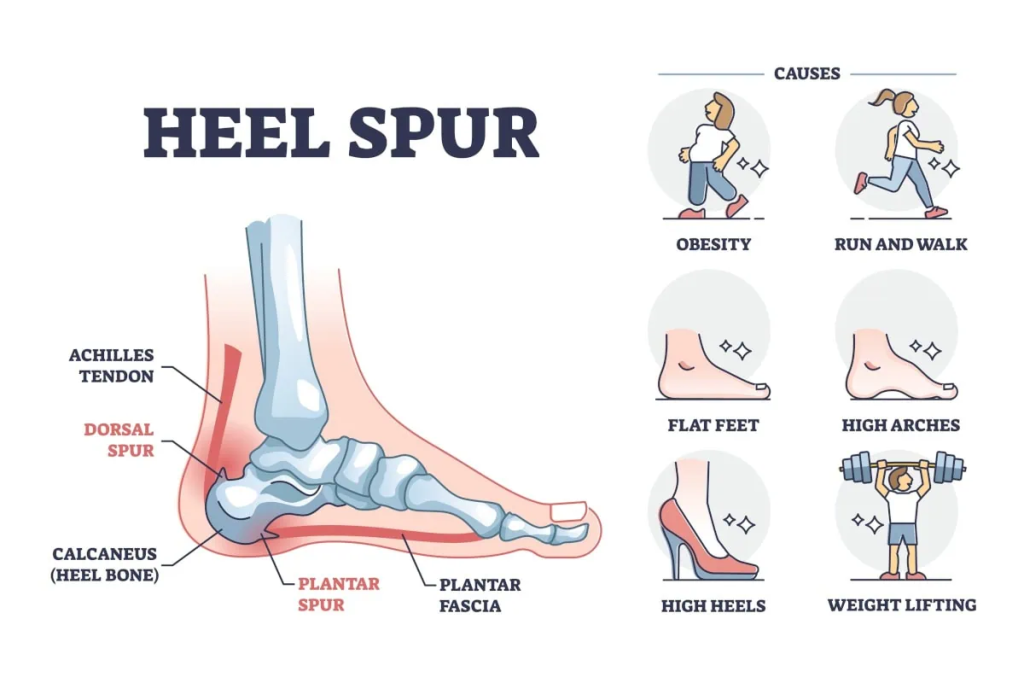
Heel Spurs
Many patients are surprised to learn that heel spurs rarely require removal.
Heel spurs are often painless.
When surgery is performed for plantar fasciitis, the spur frequently does not need to be removed unless it is contributing to symptoms.
Baxter’s Nerve Entrapment
Compression of the first branch of the lateral plantar nerve can mimic plantar fasciitis.
When conservative treatment fails and diagnosis is confirmed, nerve decompression surgery may be appropriate.
Stress Fractures or Nonunions
Persistent fractures that fail to heal may occasionally require surgical stabilization.
What Happens Before Surgery Is Recommended?
Before recommending surgery, Dr. Hoy performs a comprehensive foot and ankle evaluation that may include:
- Detailed medical history
- Physical examination
- Gait evaluation
- Biomechanical assessment
- Review of previous treatments
- X-rays
- MRI or ultrasound when appropriate
The goal is identifying the actual pain generator rather than simply treating symptoms.
Surgery Is Not Always the Next Step
Many patients are referred for surgery before every conservative treatment has been exhausted.
In some cases, additional non-operative options may still provide significant improvement.
These may include:
- Custom orthotics
- Updated footwear recommendations
- Extracorporeal Shockwave Therapy (ESWT)
- Bracing
- Physical therapy modifications
- Activity changes
- Weight management
- Treatment of associated nerve conditions
A second opinion may help determine whether surgery is truly necessary.
Why Early Specialist Evaluation Matters
Heel pain is often initially attributed to “just plantar fasciitis.”
However, prolonged pain can sometimes represent tendon injury, nerve entrapment, stress fracture, inflammatory disease, or another condition requiring different treatment.
An evaluation by a physician who specializes in foot and ankle disorders can help establish the diagnosis, coordinate appropriate imaging when necessary, and determine whether continued conservative care or surgery offers the best path toward recovery.
Early diagnosis may reduce unnecessary delays and help patients avoid months of ineffective treatment.
What Is Recovery Like After Heel Surgery?
Recovery varies depending on the procedure.
Some surgeries allow early protected walking.
Others require:
- Temporary non-weight-bearing
- Walking boot
- Physical therapy
- Progressive return to activity
Complete recovery may take several months, particularly following Achilles tendon procedures.
Patients receive individualized postoperative instructions based on the surgery performed.
Frequently Asked Questions
No. Most heel spurs never require surgical removal.
Not necessarily. Many patients still improve with advanced conservative treatment depending on the diagnosis.
Although surgery can relieve chronic pain, recurrence or persistent symptoms are possible if underlying biomechanical issues are not addressed.
Postoperative discomfort is expected but is managed with medication, activity modification, and rehabilitation.
Some procedures require temporary non-weight-bearing while others allow protected walking immediately.
When to Schedule an Evaluation
You should consider scheduling an evaluation if:
- Heel pain has lasted more than six to eight weeks
- Conservative treatment has not improved your symptoms
- Walking or standing is becoming increasingly difficult
- You have recurrent episodes of heel pain
- Your diagnosis remains uncertain
- Another provider has recommended surgery and you would like a second opinion
An accurate diagnosis is the first step toward choosing the most appropriate treatment—whether that means continued conservative care or, in selected cases, surgery.
At Seattle Foot and Ankle Center, Dr. J. John Hoy develops individualized treatment plans based on your diagnosis, activity level, goals, and overall health. Because most heel pain improves without surgery, treatment begins with evidence-based conservative options whenever appropriate. When surgery is indicated, patients receive a thorough explanation of the available procedures, expected recovery, and realistic outcomes so they can make informed decisions about their care.
In pain? Don’t wait. Early treatment leads to faster recovery. Urgent appointments available. Read about Conditions We Treat. Request an Appointment online. Call: 206-682-8741 or Contact Us. Refer a Patient. If you like our content, please link it to your website. Thank you.