
Dr. John Hoy, Seattle Foot and Ankle Center
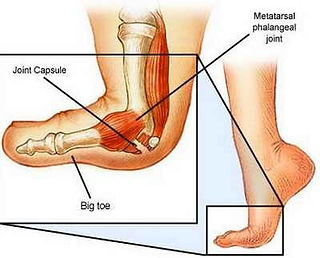
Pain at the base of the big toe after a sports injury is not always a simple sprain. Turf toe injuries range from mild ligament sprains to significant capsular tears, sesamoid injuries, cartilage damage, or joint instability. At Seattle Foot & Ankle Center, Dr. John Hoy provides comprehensive physician-level diagnosis to determine the extent of the injury before developing an individualized conservative or surgical treatment plan.
What Is Turf Toe?
Turf toe is a sprain of the ligaments and soft tissues around the base of the big toe joint (first MTP joint).
It occurs when the big toe is forced upward beyond its normal range of motion while the foot is planted on the ground.
Although first described in athletes playing on artificial turf, turf toe can occur in:
- Football
- Soccer
- Basketball
- Running and sprinting
- Pickleball and tennis
- Dance and gymnastics
- Any activity involving push-off or jumping
The severity can vary from a mild sprain to a significant ligament tear or joint injury.
Symptoms of Turf Toe
Common symptoms include:
- Pain at the base of the big toe
- Swelling around the big toe joint
- Bruising under or around the joint
- Pain during push-off when walking or running
- Difficulty pushing off the foot
- Stiffness in the big toe joint
- Reduced athletic performance
- Pain with running, jumping, or squatting
- A popping sensation at the time of injury (in severe cases)
Severe injuries may significantly limit walking and sports participation.
Causes and Risk Factors
Turf toe is typically caused by forceful upward bending of the big toe during activity.
Common causes include:
- Sudden push-off during running or sprinting
- Tackling or being tackled in sports
- Jumping and landing injuries
- Playing on artificial turf or hard surfaces
- Wearing flexible or unsupportive athletic shoes
- Repetitive forefoot overload
Athletes are at higher risk, but turf toe can also occur in active adults and workers who spend long periods on their feet.

Diagnosis of Turf Toe
Why Accurate Diagnosis Matters
Many athletes assume persistent pain under the big toe will improve with rest or taping alone. While many mild injuries recover without surgery, ongoing pain may indicate ligament tearing, sesamoid injury, cartilage damage, or joint instability that requires a different treatment approach. Early evaluation helps determine the severity of the injury and guides appropriate protection, rehabilitation, and return-to-sport planning.
The foot and ankle are an anatomic region, and podiatry is the specialty dedicated to that region. Musculoskeletal conditions of the foot and ankle have long been part of comprehensive podiatric medicine. Podiatrists diagnose and treat these conditions using both conservative and surgical approaches. A foot and ankle physician can first evaluate the problem, establish the diagnosis, and determine the appropriate course of care. When additional expertise is needed, that care can be coordinated as part of the treatment plan.
Diagnosis begins with a detailed examination of the foot and big toe joint.
Evaluation may include:
- Assessment of swelling and joint stability
- Range of motion testing
- Evaluation of pain with push-off
- Gait analysis
- Comparison with the opposite foot
If needed, imaging may be used:
- X-rays (to rule out fractures or sesamoid injury)
- Stress views (joint instability)
- MRI (ligament injury, cartilage damage, or severe sprain)
Not all turf toe injuries are the same. Some involve mild stretching of the ligaments, while others include partial or complete tears, sesamoid injuries, cartilage damage, or joint instability. Because treatment recommendations and return-to-sport timelines depend on the severity of the injury, accurate diagnosis is essential.
Because turf toe symptoms can resemble sesamoid injuries, fractures, arthritis, flexor tendon injuries, or other forefoot conditions, comprehensive evaluation helps determine the specific structures involved and whether additional imaging is needed to guide treatment.
Non-Surgical Treatment for Turf Toe
Most turf toe injuries improve without surgery when treated appropriately.
Treatment may include:
Activity Modification
Temporary reduction of sports, running, and push-off activities.
Immobilization
A walking boot or stiff-soled shoe may be used to limit motion and protect healing tissues.
Ice and Anti-inflammatory Care
Helps reduce pain and swelling in the early phase.
Taping or Padding
Athletic taping or stiff insoles may help stabilize the big toe joint.
Rehabilitation
Rehabilitation is an important part of recovery once the injury has been accurately diagnosed and the joint is adequately protected. Therapy focuses on restoring motion, strength, and push-off mechanics without overstressing healing tissues.
May include:
- Range of motion recovery
- Strengthening exercises
- Balance and gait training
- Gradual return-to-sport progression
Custom Orthotics
Orthotics may reduce stress under the big toe joint and improve foot biomechanics during push-off.
When Is Surgery Needed?
The decision to recommend surgery depends on the extent of ligament injury, joint stability, associated sesamoid or cartilage damage, activity goals, and response to appropriate conservative treatment.
Surgery is rarely required but may be considered when:
- Severe ligament tears are present
- Joint instability persists
- Sesamoid fractures or cartilage injury occur
- Chronic pain limits walking or activity
- Conservative treatment fails
Treatment is individualized based on injury severity and activity goals.
Return to Activity After Turf Toe
Recovery depends on injury severity and healing stage.
Rehabilitation focuses on restoring:
- Pain-free walking
- Normal push-off strength
- Stability during movement
- Ability to return to work or standing activity
- Return to recreational or competitive sports when appropriate
At Seattle Foot & Ankle Center, treatment is designed to support a safe return to walking, work, exercise, and sports without reinjury.
Schedule a Turf Toe Evaluation in Seattle
Pain at the base of the big toe after a sports injury may indicate turf toe or a related ligament or sesamoid injury.
Persistent pain at the base of the big toe should not simply be accepted as a lingering sprain. Early evaluation helps determine whether symptoms are caused by turf toe, sesamoid injury, fracture, cartilage damage, or another forefoot condition so treatment can begin before chronic stiffness or instability develops.
Dr. John Hoy provides comprehensive evaluation and treatment of turf toe injuries at Seattle Foot & Ankle Center.
Schedule an appointment today or call our office for evaluation.
In pain? Don’t wait. Early treatment leads to faster recovery. Urgent appointments available. Read about Conditions We Treat. Request an Appointment online. Call: 206-682-8741 or Contact Us. Refer a Patient. If you like our content, please link it to your website. Thank you.