

Heel pain can stop you in your tracks, especially when it strikes first thing in the morning. If you’re dealing with plantar fasciitis in Seattle, you know how stubborn that pain feels. At Seattle Foot and Ankle Center, Dr. J. John Hoy offers clear guidance on managing heel pain effectively, so you can take confident steps toward relief and get back to your daily activities without hesitation.
Understanding Heel Pain and Plantar Fasciitis
Heel pain can be a real obstacle, affecting your daily life. In this section, let’s dig into what causes that pain and how to spot it early. Understanding the root of the problem is the first step toward effective relief.
Common Causes and Symptoms
Heel pain often links to plantar fasciitis, a condition where the thick band of tissue connecting your heel to your toes becomes inflamed. This inflammation often results from stress or strain, common in people who are on their feet a lot. You might notice stiffness in the morning or after sitting for a while. One in ten people will experience this condition in their lifetime, making it a widespread issue. For workers on their feet or active individuals, recognizing the early signs can help prevent worsening pain. If you hear about heel spurs, these are small bony growths that are a result of plantar fasciitis.
Differences: Achilles Tendon vs Plantar Fasciitis
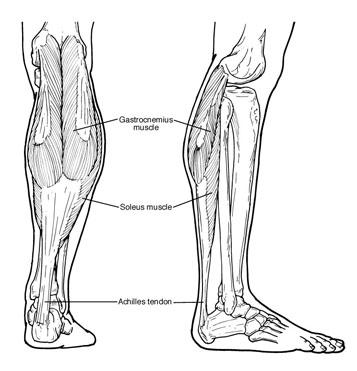
It’s easy to confuse Achilles tendon issues with plantar fasciitis, but there are key differences. The Achilles tendon connects your calf muscle to your heel, and problems here usually cause pain at the back of the heel. In contrast, plantar fasciitis pain centers under the heel. Knowing these differences can guide you in seeking the right treatment. Most people think all heel pain is the same, but understanding these nuances can lead to better outcomes. Dr. Hoy can evaluate your foot to come up with a proper diagnosis and treatment plan for the condition.
When to See a Podiatrist
You might wonder, “When should I consult a podiatrist?” If heel pain persists beyond a few days, it’s time to seek professional help. Ignoring symptoms can lead to chronic issues. Dr. J. John Hoy can offer a personalized recovery plan tailored to your needs. The longer you wait, the more challenging it can become to manage the condition effectively.
Effective At-home Care Strategies
Now that we’ve explored the causes and symptoms, let’s look at how you can manage this at home. These strategies are essential for keeping pain at bay and enhancing your comfort.
Best Shoes and Footwear Guidance
Wearing the right shoes can significantly impact your heel pain. Look for shoes offering excellent arch support and stability. Avoid flexible soles, as they can exacerbate the condition. Many find relief by choosing brands known for stability. Investing in quality footwear is a step toward a pain-free life. Remember, what looks good might not be best in the long run.
Stretching and Activity Modifications
Stretching is a simple yet powerful tool in managing plantar fasciitis. Focus on calf stretches for heel pain and exercises that target the plantar fascia. Night splints may be worn at night to keep the foot stretched out. These stretches help keep the tissue flexible and reduce tension. Reducing high-impact activities like running can also provide relief. Instead, try swimming or cycling, which are kinder to your heels. These modifications keep you active without adding stress to your feet.
Custom Orthotics
Custom orthotics offer tailored support to your foot’s unique shape. These orthotics ensure proper alignment and reduce strain on your plantar fascia. For many, these are game-changers in their healing journey and can lead to surprising improvements.
Advanced Treatments and Professional Care

While at-home care can be effective, some cases require advanced treatments. Let’s explore the professional options available to tackle persistent heel pain.
Shockwave Therapy and Corticosteroid Injections
Shockwave therapy is a non-invasive option that uses sound waves to stimulate healing in damaged tissue. It’s a popular choice for those seeking a non-surgical approach. Corticosteroid injections can also pinpoint and alleviate pain, offering targeted relief. These treatments are part of what makes ESWT Seattle plantar fasciitis care advanced and effective. Many patients see a marked improvement after a few sessions.
Surgical Consultation for Persistent Cases
In rare cases, when other treatments don’t work, surgery might be necessary. A surgical consultation can determine if this is the right path for you. Dr. J. John Hoy offers expert advice and performs procedures with care and precision. Surgery is not the first option, but knowing it’s available provides peace of mind. Your path to relief is unique, and sometimes it includes considering every possibility.
In summary, understanding and treating heel pain involves a blend of self-care and professional guidance. If you’re in Seattle and struggling with plantar fasciitis, consider reaching out to Dr. J. John Hoy at the Seattle Foot and Ankle Center. With expertise and a patient-focused approach, relief is within reach.
In pain? Don’t wait. Early treatment leads to faster recovery. Urgent appointments available. Read about Conditions We Treat. Request an Appointment online. Call: 206-682-8741 or Contact Us. Refer a Patient. If you like our content, please link it to your website. Thank you.