
If you feel sharp burning or numbness in the ball of your foot, it could be a Morton’s neuroma causing your pain. Many Seattle residents don’t realize how common neuromas are, or how specific tests like the Mulder’s click help identify them. This guide will walk you through recognizing symptoms, understanding how diagnosis works, and exploring trusted neuroma treatment Seattle offers with Dr. J. John Hoy at Seattle Foot and Ankle Center.
Recognizing Forefoot Neuromas

Understanding the signs of neuromas is the first step towards relief. Let’s look at the symptoms you might experience and what causes these uncomfortable sensations.
Common Symptoms and Indicators
If you’ve ever felt like there’s a pebble in your shoe, you might be dealing with a neuroma. This sensation is often accompanied by sharp or burning pain. It’s most commonly found between the third and fourth toes. Many people also report numbness or tingling, which can increase over time if left untreated. These symptoms can disrupt daily activities, making simple tasks like walking painful. The discomfort often worsens with tight footwear or prolonged standing, so pay attention to when you feel the pain most. Recognizing these signs early helps in managing the condition effectively.
Most people think only high heels cause neuromas, but that’s not the whole story. While such footwear can contribute, other factors also play a role. Footwear that squeezes the toes, excessive physical activity, or simply the structure of your foot may be involved. Knowing what triggers your symptoms can help you take preventative steps. If you notice any of these symptoms, consider consulting a specialist. Early intervention can prevent worsening pain and help you maintain an active lifestyle.
Risk Factors and Causes
You’re not alone if you’re wondering why neuromas develop. Several factors contribute, some more surprising than others. Repetitive stress on the forefoot is a common cause, often from activities like running. High heels and narrow shoes can also increase pressure on the toes, leading to nerve irritation. But footwear isn’t the only culprit. Foot deformities such as high arches or flat feet can predispose you to neuromas. These conditions alter how weight is distributed across your feet, putting extra stress on certain areas.
Age and genetics play roles, too. As we age, the protective fat pads in our feet thin, making nerves more susceptible to damage. If family members have experienced neuromas, your risk might be higher. Most people don’t realize these factors can contribute, but awareness is key to prevention. By understanding your risk factors, you can make informed choices about footwear and activities. Early recognition and modification of these risks can greatly reduce your chances of developing a neuroma.
Diagnosis and Treatment Options

Once you’ve identified the symptoms, the next step is getting a proper diagnosis. Knowing how doctors diagnose and treat neuromas can put your mind at ease.
Effective Diagnostic Techniques
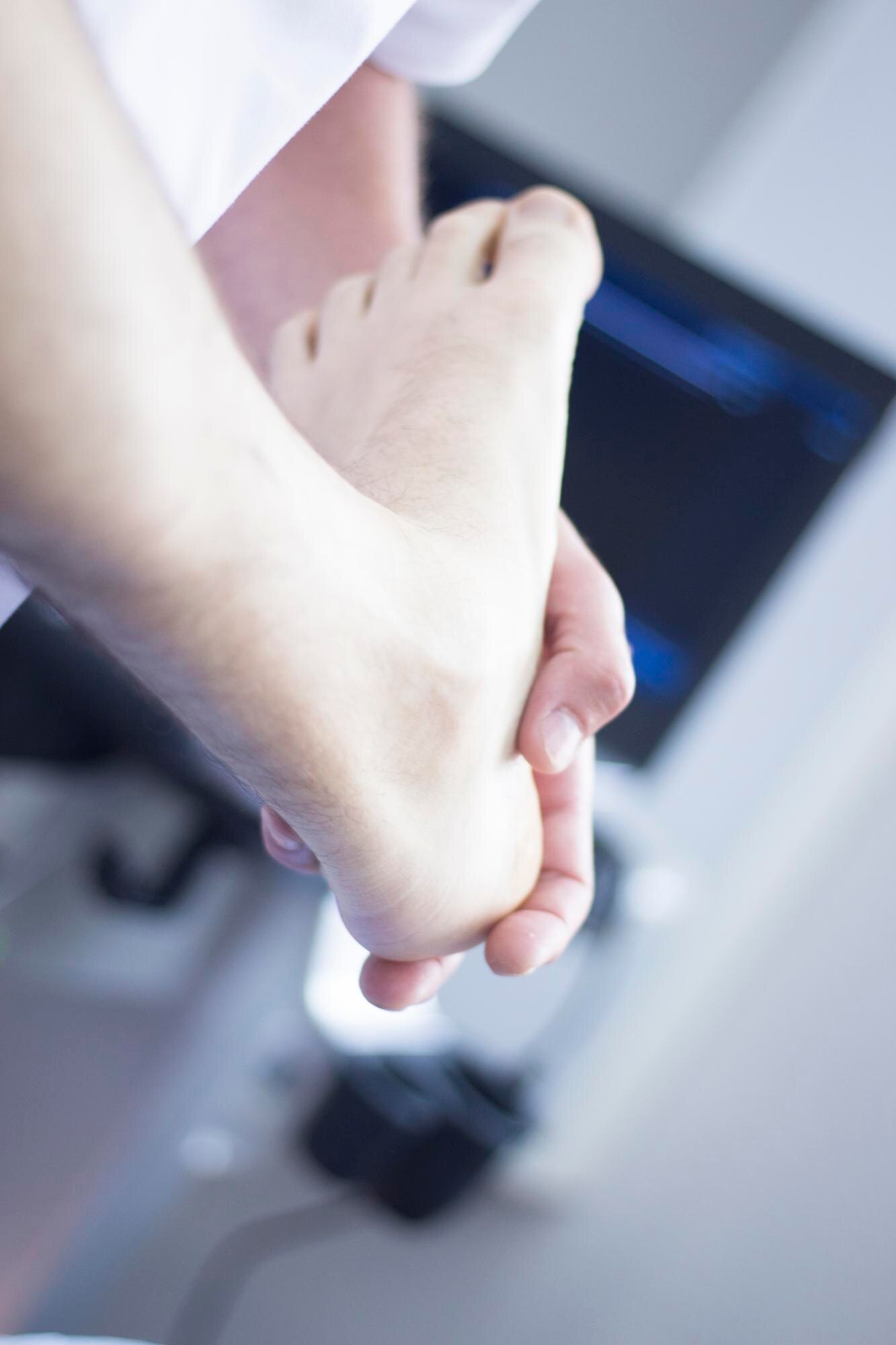
Diagnosing a neuroma involves more than just a physical exam. A key test, called the Mulder’s click, can help confirm the presence of a neuroma. During this test, the doctor will apply pressure to the foot to identify any clicking sensation between the toes. This click often signifies a neuroma. Imaging tests like X-rays can rule out other conditions but aren’t used to identify neuromas directly. Instead, an ultrasound or MRI might be recommended for a clearer view of the nerve tissue. These tools help ensure an accurate diagnosis.
Most people think self-diagnosis is enough, but professional evaluation is crucial. A specialist’s insight can differentiate between a neuroma and other foot issues like metatarsalgia. Consulting a podiatrist ensures you get the right treatment plan tailored to your needs. It’s the best way to avoid prolonged discomfort and start on the path to recovery. If you suspect you have a neuroma, seeking professional care is the smart choice.
Comprehensive Treatment Approaches
Relief from a neuroma can often start with simple changes. Many find that switching to shoes with a wider toe box can reduce pain. Custom orthotics can also help by redistributing pressure away from the affected nerve. These inserts are tailored to your feet, providing support where you need it most.
For persistent pain, more advanced treatments are available. Corticosteroid injections can reduce inflammation and offer temporary relief. In cases where conservative measures fail, surgical options might be necessary. Surgery involves removing the affected nerve to eliminate pain permanently. Most people worry about surgery, but it’s often a last resort when other treatments don’t work. Discussing all options with your doctor ensures you choose the best path for your situation.
Seeking Specialized Care in Seattle
With many options available, finding specialized care in Seattle can provide the relief you need. Learning about local expertise can make a significant difference in your treatment journey.
Benefits of Local Expertise
In Seattle, you’re lucky to have access to specialists who focus on foot health. Dr. J. John Hoy at Seattle Foot and Ankle Center offers tailored treatment plans to meet individual needs. His approach involves understanding your daily activities and goals, offering treatments that align with your lifestyle. Local expertise means you benefit from a deep understanding of common regional issues, like those affecting active Seattleites. Close proximity to your care provider also makes follow-ups and adjustments easier.
Most people think any doctor can handle neuromas, but specialized care offers distinct advantages. A podiatrist who focuses on neuromas is more familiar with the latest techniques and treatments. This specialized knowledge can lead to more effective outcomes. By choosing local expertise, you ensure that you’re getting the best care possible, tailored to your unique needs.
Scheduling an Appointment for Relief
Scheduling an appointment with a specialist is your first step toward relief. At Seattle Foot and Ankle Center, you can expect personalized attention and a comprehensive evaluation. The longer you wait, the more your pain can affect your daily life, so don’t delay seeking help. Whether you’re experiencing mild discomfort or severe pain, early intervention can lead to better outcomes. Most people think they should wait for the pain to worsen, but acting early can prevent more serious issues down the line.
Remember, relief is possible. By working with a specialist, you gain access to tailored treatments that can significantly improve your quality of life. If foot pain is holding you back, it’s time to take the first step toward comfort and mobility.
In pain? Don’t wait. Early treatment leads to faster recovery. Urgent appointments available. Read about Conditions We Treat. Request an Appointment online. Call: 206-682-8741 or Contact Us. Refer a Patient. If you like our content, please link it to your website. Thank you.