
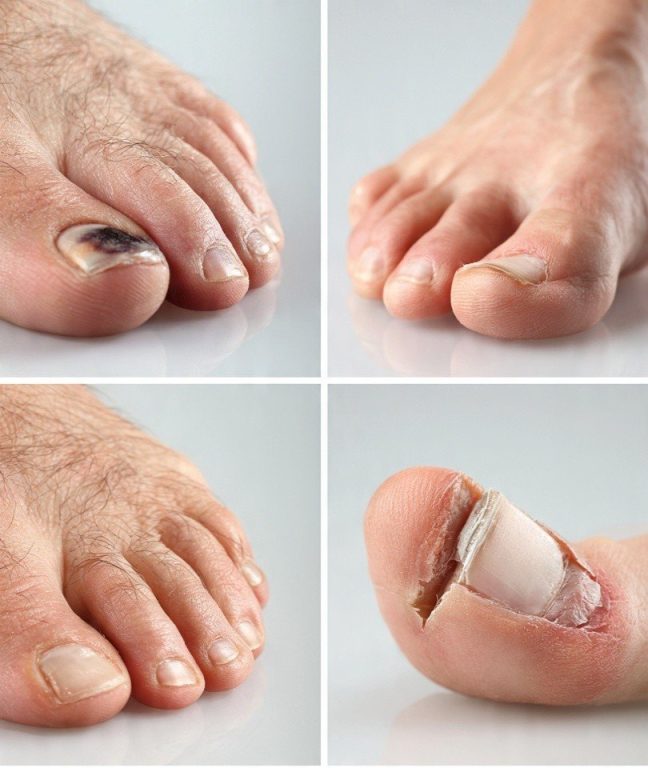
Expert Nail Injury & Toenail Trauma Care at Seattle Foot and Ankle Center
Toenail trauma can be painful, sudden, and alarming—whether caused by sports injuries, stubbing the toe, running, tight footwear, or direct impact. At Seattle Foot and Ankle Center, Dr. J. John Hoy provides expert evaluation and treatment for all types of toenail trauma, helping patients throughout Seattle and surrounding communities restore comfort, prevent infection, and support healthy nail regrowth.
As part of our Seattle Ingrown Toenail & Nail Surgery Center, toenail injuries are evaluated alongside related conditions such as fungal toenails, ingrown toenails, and nail deformities, ensuring a complete diagnosis and long-term treatment plan.
If your toenail is bruised, lifted, cracked, or falling off—early treatment can make a significant difference in healing and appearance.
What Is Toenail Trauma?
Toenail trauma refers to any injury to the nail or nail bed caused by physical force or repeated pressure. This can range from mild bruising under the nail to complete nail loss.
Common types of toenail trauma include:
- Subungual hematoma (blood under the nail)
- Cracked or split toenails
- Partially detached toenails
- Nail bed injury
- Complete nail avulsion (nail loss)
- Chronic repetitive micro-trauma (common in runners)
Without proper care, toenail trauma can lead to infection, permanent nail deformity, or chronic pain.
Common Causes of Toenail Trauma
Toenail injuries often occur from everyday activities, including:
- Running or sports (especially stop-and-start movement)
- Stubbing the toe against furniture or objects
- Dropping heavy objects on the foot
- Wearing tight or restrictive shoes
- Hiking or downhill walking
- Repetitive pressure in athletes (“runner’s toe”)
In Seattle’s active population—especially runners, hikers, and commuters—Toenail Trauma is one of the most frequently seen nail injuries in our clinic.
Symptoms of Toenail Trauma
You may have toenail trauma if you notice:
- Pain or throbbing in the toenail
- Dark purple, black, or bruised appearance under the nail
- Swelling or redness around the nail
- Blood under the nail (subungual hematoma)
- Nail lifting or separation from the nail bed
- Sensitivity when wearing shoes or walking
In some cases, symptoms may appear hours after the injury occurs.
When Toenail Trauma Needs Medical Care
Not all nail injuries heal on their own. You should see a podiatrist if:
- Pain is severe or worsening
- More than 50% of the nail is discolored or lifted
- There is visible blood trapped under the nail causing pressure
- The nail is detached or partially torn
- Signs of infection develop (redness, warmth, drainage)
- You have diabetes or circulation problems
At Seattle Foot and Ankle Center, Dr. Hoy evaluates whether the nail can be preserved or if a nail procedure is needed to prevent complications.
Important: Some traumatic nail changes are permanent because of damage to the nail-growing tissue. Medical evaluation can determine whether there is a treatable condition such as fungal infection, but treatment cannot always restore the nail’s original appearance.
Toenail Trauma Treatment Options in Seattle
Treatment depends on the severity and timing of the injury. At our clinic, we provide both conservative and procedural care.
1. Conservative Treatment
For mild injuries:
- Pain management and monitoring
- Protective padding or footwear modification
- Wound care instructions
- Antibiotic therapy if needed
2. Nail Drainage (Subungual Hematoma Relief)
If blood is trapped under the nail causing pressure, Dr. Hoy may gently relieve the pressure to reduce pain and prevent nail loss.
3. Partial or Complete Nail Removal
If the nail is severely damaged or detached:
- Partial nail avulsion
- Complete nail removal (when necessary)
- Nail bed protection to support regrowth
4. Nail Bed Repair (Severe Trauma Cases)
If the nail bed is injured, treatment focuses on preserving long-term nail shape and preventing deformity.
Toenail Trauma vs. Other Nail Conditions
Toenail trauma can sometimes resemble or lead to other conditions treated, including:
- Ingrown toenails
- Fungal toenails
- Nail deformities from injury
- Chronic nail thickening or distortion
A proper diagnosis ensures you receive the correct treatment and avoid long-term nail damage.
Healing & Recovery
Most patients recover quickly depending on severity:
- Mild bruising: 1–3 weeks
- Partial nail injury: 4–8 weeks
- Nail regrowth after removal: several months
Dr. Hoy provides detailed aftercare to support healing, reduce infection risk, and improve cosmetic outcomes.
Preventing Toenail Trauma
You can reduce risk by:
- Wearing properly fitted shoes with adequate toe space
- Using protective footwear for sports and hiking
- Keeping nails trimmed straight across
- Avoiding repetitive pressure on toenails
- Replacing worn-out athletic shoes regularly
Expert Toenail Trauma Care in Seattle
At Seattle Foot and Ankle Center, Dr. J. John Hoy provides specialized care for all types of nail injuries. Patients choose our clinic for:
- Board-certified podiatric surgical expertise
- Same-day evaluation for painful nail injuries
- Advanced nail preservation techniques
- Experience treating athletic and occupational injuries
- Integrated care
Whether your injury is recent or has not healed properly, timely treatment can prevent permanent nail damage.
Schedule an Appointment
If you’ve experienced toenail trauma in Seattle, early evaluation is important.
Seattle Foot and Ankle Center
📍 Downtown Seattle
📞 206-682-8741
📅 Schedule an appointment with Dr. J. John Hoy
Don’t ignore a painful or damaged toenail—prompt treatment helps protect both nail health and long-term foot function.
Frequently Asked Questions About Toenail Trauma
Clean the area, protect the toe, and seek evaluation if pain or bleeding is significant.
In some cases, yes—especially if the nail is lifted or blood has built up underneath.
Often yes, but severe nail bed injuries can lead to permanent changes in nail shape.
If pain is significant or the nail is lifting, professional evaluation is recommended.
Pressure may be safely relieved in-office depending on timing and severity.