
Conservative First. Surgical When Needed. Advanced Foot & Ankle Care.

At Seattle Foot and Ankle Center, board-certified foot and ankle surgeon Dr. J. John Hoy provides comprehensive medical and surgical care for conditions affecting the foot, ankle, and lower leg. His Seattle practice focuses on evidence-based foot and ankle medicine and surgery, including sports medicine, biomechanical disorders, diabetic limb preservation, reconstructive foot surgery, neuropathic complications, wound management, and complex foot and ankle deformities.
Patients are evaluated for both common and complex foot and ankle problems, including referrals from primary care, urgent care, orthopedics, wound care, rehabilitation, and other healthcare providers.
Early evaluation by a foot and ankle physician does not automatically mean surgery. Care ranges from advanced conservative management and biomechanical treatment to office-based procedures, limb preservation, and surgical reconstruction. The goal is accurate diagnosis and pathology-specific treatment—not simply symptom relief.
What Comprehensive Foot & Ankle Care Includes
Seattle Foot and Ankle Center evaluates and treats both common and complex lower-extremity conditions, including sports injuries, forefoot deformities, diabetic foot complications, chronic pain syndromes, wounds, infections, gait abnormalities, and reconstructive surgical conditions. Whether you’re dealing with chronic heel pain, a sports injury, diabetic foot complications, or require complex reconstructive surgery, our clinic delivers personalized treatment focused on long-term mobility and limb preservation.
Comprehensive care begins with a thorough history and physical examination to determine the cause of your symptoms or condition. Depending on the diagnosis, treatment may include conservative care, rehabilitation, biomechanical treatment, office-based procedures, medical management, or surgery.
- Comprehensive foot and ankle examination
- Biomechanical and functional assessment
- In-office digital X-rays when indicated
- Diagnosis and individualized treatment planning
- Conservative medical care and rehabilitation
- Orthotics and bracing when appropriate
- Shockwave and injection therapy when indicated
- Medical management of diabetic and high-risk foot conditions
- Wound and limb-preservation care
- Surgical treatment when necessary
- Coordination with other medical and rehabilitation specialists
Comprehensive Lower-Extremity Evaluation & Pathology-Specific Care
“My approach focuses on accurate diagnosis, comprehensive lower-extremity evaluation, and condition-specific treatment planning. I evaluate how the foot and ankle function within the context of the entire lower extremity, identify contributing biomechanical and medical factors, and develop evidence-based treatment plans tailored to each patient’s condition and goals. Conservative options are considered first, with surgical intervention reserved for cases where it offers the best long-term outcome.”
— Dr. J. John Hoy
Dr. Hoy works with each patient to find the most effective treatment plan for the individual condition. We provide clear treatment and follow-up care expectations, as well as shared decision-making at every visit. Conservative, non-surgical solutions are considered first; surgery is pursued only when necessary. Patients may also be referred to other providers as needed to achieve optimal outcomes.
Dr. Hoy performs a comprehensive lower-extremity evaluation while also screening for systemic conditions such as:
- Diabetes
- Cardiovascular disease
- Arthritis
Many serious medical conditions first present symptoms in the feet. Early diagnosis can make a critical difference. We emphasize patient education, including daily foot care, footwear guidance, and early warning signs—so you can prevent problems before they start.
In pain? Don’t wait. Early treatment leads to faster recovery. Urgent appointments available. Schedule now or call: 206-682-8741
When Specialized Foot Evaluation May Be Important
“Diagnosed my issue with x-ray imaging same day, and gave recommendation. Highly recommend scheduling with Dr. Hoy… many other people had no idea but Dr. Hoy made quick work of it. Thank you” -Sultan R.
Many patients come to Seattle Foot & Ankle Center after trying other treatments, receiving multiple opinions, or moving through several healthcare providers such as urgent care, physical therapy, dermatology, orthopedics, or wound care before the underlying foot problem has been fully diagnosed. The foot and ankle are an anatomic region, and podiatry is the specialty dedicated to that region. A foot and ankle physician can first evaluate the problem, establish the diagnosis, and determine the appropriate course of care. When additional expertise is needed, that care can be coordinated as part of the treatment plan.
Since 1990, Seattle Foot and Ankle Center has practiced the full scope of foot and ankle medicine and surgery. Consider seeing a foot and ankle specialist if:
Your foot pain isn’t improving. Persistent heel pain, forefoot pain, arthritis, or instability may require a more specialized evaluation.
Physical therapy isn’t helping. Rehabilitation is important, but some conditions need a medical diagnosis before therapy can be fully effective.
Wounds keep returning. Recurrent ulcers often result from pressure, deformity, or biomechanical problems that also need treatment.
You’ve been told you may need surgery. A second opinion can confirm the diagnosis and review all treatment options.
An injury isn’t healing as expected. Stress fractures, tendon injuries, and ligament damage may require additional evaluation or imaging.
You have unexplained numbness, burning, or swelling. These symptoms may involve nerves, circulation, or structural compression.
The diagnosis is still unclear. Many foot and ankle conditions have similar symptoms but require very different treatments.
Early specialty evaluation may help shorten the path to the right diagnosis, coordinate treatment, and avoid unnecessary referrals.
Learn why many patients benefit from starting with a podiatric foot and ankle specialist before entering multiple referral pathways.
Evaluation is particularly important when symptoms persist, recur, or have not responded as expected to previous treatment. In these situations, reassessing the diagnosis and contributing factors may reveal additional treatment options.
Read more about direct access to specialty care. Schedule online or call: 206-682-8741.
Comprehensive Foot & Ankle Specialty Care
Please click to learn more about some of the Conditions We Treat and Patient Education Library. Browse common conditions, injuries, diabetic foot problems, and surgical conditions there to learn more about symptoms.
Lower-extremity specialist services include:
• Sports Medicine, Foot Trauma & Biomechanical Injury Care: evaluation and treatment of fractures, tendon injuries, ligament instability, stress injuries, and lower-extremity overuse pathology
• Non-Surgical Foot & Ankle Care: evidence-based medical and biomechanical management of foot and ankle disorders, arthritis, gait abnormalities, inflammatory conditions, and chronic pain syndromes
• Foot & Ankle Rehabilitation: individualized therapeutic exercise, progressive strengthening and loading, balance and movement training, and return-to-activity programs for foot and ankle conditions
• Custom Orthotic & Bracing Therapy: prescription functional orthotics, accommodative orthotics, ankle-foot orthoses (AFOs), and biomechanical support devices
• Extracorporeal Shockwave Therapy (ESWT): non-invasive treatment for chronic tendon, ligament, plantar fascia, and delayed-healing conditions
• High-Risk Foot Care: comprehensive medical evaluation, prevention, and treatment for patients at increased risk of foot ulceration, infection, tissue loss, amputation, or loss of mobility due to diabetes, neuropathy, peripheral arterial disease, deformity, previous ulceration or amputation, and other high-risk conditions
• Limb Preservation & Diabetic Foot Care: medical, biomechanical, and surgical management of diabetic foot pathology, wounds, neuropathy, ischemia, infection, and ulcer prevention
• Foot & Ankle Surgery: reconstructive forefoot surgery, deformity correction, trauma care, neuroma surgery, limb-preservation procedures, and medically necessary office-based surgery
• Urgent Foot & Ankle Care: expedited evaluation of injuries, infections, wounds, fractures, severe pain, and acute lower-extremity conditions
Sports Medicine, Foot Trauma & Biomechanical Injury Care
Expert diagnosis and treatment of:
- Foot and ankle fractures
- Sprains, instability, and tendon injuries
- Overuse injuries and stress fractures
- Sports-related and work-related trauma
- Post-operative rehabilitation
Advanced care may include rehabilitation, extracorporeal shockwave therapy (ESWT), biomechanical support, bracing, orthotics, and customized off-loading techniques to promote healing, restore function, and facilitate return to activity.

Non-Surgical Foot & Ankle Care
We prioritize conservative, non-surgical treatments whenever possible, including:
- Biomechanical evaluation
- Arthritis management
- Inflammatory and degenerative conditions
- Rheumatoid Arthritis Foot Care: specialized care for inflammatory joint disease, including pain relief, joint protection, custom footwear, and deformity management
- Foot and ankle infections: treatment of skin, soft tissue, and bone infections, including antibiotics when needed
- Gait analysis to identify abnormal walking patterns and the source of pain
- Bracing options to support healing and improve stability without surgery
Our goal: relieve pain, restore function, and prevent progression. We provide targeted care for inflammatory conditions like rheumatoid arthritis to reduce pain, protect joints, and maintain mobility.

Foot & Ankle Rehabilitation
Individualized rehabilitation is an important part of conservative foot and ankle care when appropriate. Dr. Hoy incorporates physician-directed rehabilitation into the treatment of conditions such as plantar heel pain, tendon disorders, ankle instability, stress injuries, and sports-related overuse injuries.
Rehabilitation may include:
- Individualized therapeutic exercise programs
- Progressive strengthening and tissue loading
- Balance, stability, and movement training
- Gait and functional retraining
- Activity modification and graded return to activity
- Coordination with physical therapy when additional or specialized rehabilitation is appropriate
The rehabilitation plan is based on the diagnosis, the stage of the condition, the patient’s goals, and what the foot or ankle can safely tolerate. Rehabilitation may be used as the primary treatment or combined with other treatments such as footwear modification, orthotics, bracing, shockwave therapy, medication, or procedures.

Custom Orthotic & Bracing Therapy
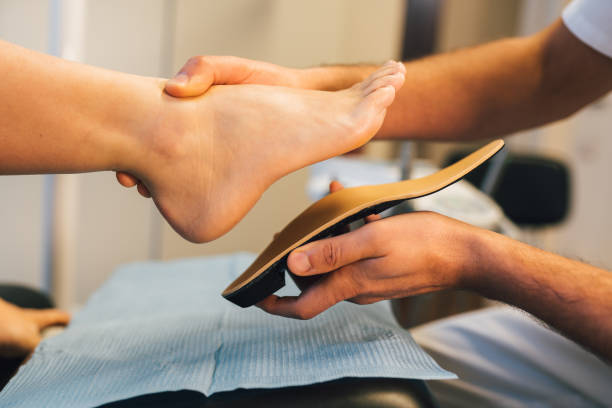
Prescription functional and accommodative orthotics designed to:
- Correct abnormal gait mechanics
- Relieve plantar fasciitis and tendon strain
- Improve alignment and balance
- Prevent recurring injuries
Each device is tailored specifically to your anatomy and activity level.
- Detailed gait analysis used to design your custom orthotics
- Ankle–foot orthoses (AFOs) and braces for advanced support, deformity correction, and neurologic conditions
Extracorporeal Shockwave Therapy (ESWT)
Non-invasive treatment for chronic foot and ankle pain, including plantar fasciitis, Achilles tendinopathy, ligament injuries, and delayed healing conditions.
Dr. Hoy has used ESWT since 2018 as a mainstay, physician-directed treatment for chronic ligament, tendon and bone injuries that have not responded to standard care.
Using the FDA-cleared EPAT® radial shockwave system (CuraMedix / Storz Medical), treatment works by:
• Stimulating tissue repair and regeneration
• Increasing local blood flow
• Reducing chronic inflammation and scar tissue
Performed in-office without anesthesia, patients remain weight-bearing and return quickly to normal activity. Most complete 3–5 sessions.
Best for chronic injuries that have failed orthotics, injections, physical therapy, or immobilization.

Prevention, Screening & High-Risk Foot Care
We provide comprehensive medical care for patients whose medical, neurologic, vascular, structural, or functional conditions increase their risk of serious foot complications.
- High-risk foot examinations and risk screening
- Monitoring of circulation, sensation, skin, and foot structure
- Prevention and treatment of pressure-related skin breakdown
- Management of calluses and pre-ulcerative lesions
- Footwear, orthotic, and off-loading strategies
- Prevention of ulcers, infection, and amputation
High-risk foot care goes beyond routine nail and callus care. Care may include preventive management, biomechanical treatment, wound care, minor procedures, or surgery when medically necessary.
The goal is to identify problems early, address the factors that increase risk, and preserve mobility and limb function.

Limb Preservation & Diabetic Foot Disease
We specialize in high-risk foot management, including:
- Diabetic foot ulcers
- Neuropathy and ischemic conditions
- Pressure off-loading to prevent amputation
- Complex wound care
- Risk screening and foot exams to identify patients at high risk for ulcers
- Preventive care plans to reduce recurrence and complications
This includes medical, biomechanical, and surgical management of diabetic foot pathology—not simply wound dressing care—with focus on infection control, structural off-loading, ulcer healing, and prevention of amputation.
Early detection and aggressive management help preserve mobility and prevent complications. We classify risk levels and create personalized prevention plans to help avoid future wounds and amputations. When needed, we coordinate care with vascular, infectious disease, and wound care specialists to optimize healing.

Foot & Ankle Surgery
When conservative treatments are not enough, Dr. Hoy offers:
- Bunion surgery
- Hammertoe and claw toe correction
- Neuroma surgery
- Metatarsal procedures to relieve pressure and pain
- Reconstructive forefoot surgery
- Trauma and limb preservation procedures
Minor procedures may be performed in-office; advanced surgeries are performed in the operating room with coordinated inpatient care when needed. Advanced procedures may include tendon balancing, joint stabilization, and corrective fusion for long-standing deformities.
Office-Based Medical & Surgical Procedures
• Surgical treatment of ingrown toenails, painful nail pathology, and infected nail borders when medically indicated
• Debridement of painful hyperkeratotic lesions and pressure-related skin pathology to reduce ulceration risk
• Wart treatment, biopsy, and management of suspicious skin lesions
• Minor soft-tissue and wound procedures performed using sterile surgical technique in-office

Urgent Foot & Ankle Care
In pain or dealing with a sudden foot or ankle issue? Call our office to request a work-in appointment for urgent concerns. We provide fast, specialized evaluation and treatment for:
- Foot and ankle injuries (sprains, fractures, and strains)
- Sudden or severe foot and ankle pain
- Diabetic foot wounds and infections
- Foreign objects embedded in the foot
- Swelling, inflammation, or difficulty walking
Our office combines the convenience of urgent care with the expertise of a podiatric specialist—so you receive accurate diagnosis, advanced imaging when needed, and a personalized treatment plan all in one place. Early evaluation helps relieve pain, prevent complications, and get you back on your feet quickly and safely.

Why Patients Choose Seattle Foot and Ankle Center
✔ Board-certified surgical expertise
✔ Conservative treatment first philosophy
✔ Advanced limb preservation focus
✔ On-site digital imaging
✔ Clear treatment plans and shared decision-making
✔ Direct communication in a private practice setting
Real Patient Experience
“After years of trying to figure out the issue with my foot, Dr. Hoy gave me an incredibly thorough explanation as to what is wrong, plus a 4-step treatment plan to alleviate the discomfort. He listened attentively, asked detailed questions, and seemed truly interested in helping me figure out the best ways to move forward. He was extremely helpful and entirely professional. Thanks, Seattle Foot and Ankle Center!!!”
— Rhyan H.L.
Seattle Foot & Ankle Center – Comprehensive Foot & Ankle Care FAQ
What is General Podiatry & How Does Seattle Foot and Ankle Center Provide Patient Care?
Non-Surgical Treatments & Orthotics
We offer:
Biomechanical evaluation and gait analysis
Arthritis and tendon management
Pain relief through medications, injections, or bracing
Extracorporeal shockwave therapy (ESWT) for plantar fasciitis and tendon and ligament injuries
Yes. Prescription orthotics are designed to:
Correct gait abnormalities
Relieve tendon strain and plantar fasciitis
Improve alignment, balance, and prevent recurring injuries
Limb Preservation & Diabetic Foot Care
Limb preservation focuses on preventing amputation by managing foot ulcers, infections, poor circulation, and structural deformities. Interventions include early detection, skilled wound care, off-loading pressure, infection control, and reconstructive surgery when necessary.
Patients with diabetes, neuropathy, peripheral vascular disease, or history of foot ulcers benefit from specialized care. Our approach addresses high-risk conditions to prevent wounds, infections, and potential amputations.
Foot & Ankle Surgery
Common procedures include:
Bunion and Tailor’s bunion surgery
Hammertoe and clawtoe correction
Neuroma removal
Hallux rigidus (big toe arthritis) surgery
Tendon repair and reconstruction
Trauma and fracture management
Pediatric foot surgeries
Minor procedures may be performed in-office; complex surgeries are coordinated in the operating room with hospital privileges at Swedish Medical Center locations.
Podiatric foot and ankle surgeons focus exclusively on conditions affecting the foot and ankle, including detailed weight-bearing biomechanical evaluation, forefoot reconstruction, diabetic limb preservation, and pathology-specific lower-extremity care. Because the practice is focused entirely on the foot and ankle, patients benefit from specialized evaluation, treatment planning, and long-term management of lower-extremity conditions.
Urgent Foot & Ankle Care
Seek prompt care for:
Non-healing wounds or ulcers
Severe foot or ankle pain, redness, swelling, or drainage
Blackened or gangrenous tissue
Suspected fractures or dislocations
Fever with foot infection
Urgent care centers provide initial triage, but podiatrists offer specialized evaluation, imaging, and definitive care—including surgery when needed—without multiple referrals.
Pediatric Podiatry
We provide care for:
Flat feet and heel pain (pediatric plantar fasciitis)
Ingrown toenails and foreign bodies
Calcaneal apophysitis (Sever’s disease)
Warts, bone tumors, accessory bones
Intoeing and gait abnormalities
Children require specialized knowledge of growth plates and developing biomechanics. Our clinic offers child-focused treatment, detailed communication with parents, and conservative-first care.
Geriatric Podiatry
Seniors benefit from preventive and medical foot care aimed at maintaining mobility, preventing falls, and avoiding ulcers or infections. Dr. Hoy provides:
Surgical nail debridement for thick, painful, or ingrown nails in at-risk patients
Management of foot deformities, arthritis, and skin breakdown
Specialized dementia-friendly care through essentiALZ® certification
Our office does not offer routine nail care, except as part of a complete medical examination for patients with pain in the nails, history of non-traumatic amputation, peripheral vascular disease, or peripheral neuropathy.
Painful nails, deformities, or structural changes can compromise balance. Routine assessment and early treatment reduce fall risk and preserve independence.
Patient Experience & Appointments
Call 206-682-8741 or visit our website to schedule a consultation. We offer:
Routine and urgent appointments
Pediatric, adult, and geriatric care
Coordinated medical and surgical care
Every patient receives:
Comprehensive lower-extremity evaluation
Screening for systemic conditions such as diabetes, cardiovascular disease, and arthritis
Clear diagnosis and shared decision-making for treatment
At Seattle Foot and Ankle Center, patients of all ages receive personalized, evidence-based foot and ankle care. From urgent injuries and limb preservation to pediatric and geriatric foot health, our clinic provides complete management under one roof—helping you stay active, mobile, and pain-free.
Schedule Your Seattle Foot and Ankle Consultation Today
If you’re experiencing foot or ankle pain, don’t wait. Early treatment can prevent long-term complications and speed your recovery.
Contact Seattle Foot and Ankle Center today to schedule your appointment and take the first step toward lasting relief and restored mobility.
In pain? Don’t wait. Early treatment leads to faster recovery. Urgent appointments available. Read about Conditions We Treat. Request an Appointment 5am-5pm M-F or online. Call: 206-682-8741 or Contact Us. If you like our content, please link it to your website and Collaborate With Us. Thank you.