

Forefoot surgery, trauma care, deformity correction, and limb-preservation procedures
When conservative care no longer relieves pain, choosing the right foot specialist matters. Dr. J. John Hoy is a board-certified podiatric foot surgeon with more than 25 years of experience in the diagnosis and surgical management of foot conditions, deformities, and trauma. His training encompasses the comprehensive management of foot pathology, including forefoot reconstruction, fractures and other injuries, tendon disorders, infections, and diabetic limb-preservation procedures.
When to Refer for a Surgical Opinion
Referral for a surgical opinion may be appropriate when a painful deformity progresses, a structural problem significantly limits function, an injury requires assessment of operative options, or symptoms persist despite appropriate conservative management. A surgical consultation does not commit the patient to surgery; it allows the diagnosis, expected benefits, risks, and reasonable alternatives to be discussed.
Board Certification in Foot Surgery through the American Board of Foot and Ankle Surgery (ABFAS) reflects demonstrated knowledge and skills in surgical management across a broad range of foot conditions. Dr. Hoy’s approach integrates biomechanics, conservative treatment, surgical judgment, and postoperative care, with the goal of selecting the most appropriate treatment for each patient.
In pain? Don’t wait. Early treatment leads to faster recovery. Urgent appointments available. Schedule now or call: 206-682-8741.
Forefoot Reconstruction Built on Biomechanics
At Seattle Foot and Ankle Center, Dr. John Hoy provides advanced surgical care focused on forefoot reconstruction, foot deformity correction, trauma, and limb preservation, including bunions, hammertoes, neuromas, and hallux rigidus.
Dr. Hoy’s surgical philosophy is rooted in the principle that foot surgery and biomechanics are inseparable. He trained at the California College of Podiatric Medicine (CCPM), one of the historic centers of modern podiatric biomechanics and orthotic science, where biomechanics and surgery were integrated into a single academic department. This foundation allows treatment to begin with structural analysis and conservative correction, with surgery reserved when necessary.
Forefoot reconstruction requires specialized understanding of weight-bearing mechanics, deformity correction, joint preservation, and postoperative function. Dr. Hoy’s approach is grounded in the principles that helped shape modern podiatric forefoot surgery: respect for biomechanics, thoughtful correction, and procedures chosen for durable long-term outcomes.
For Referring Healthcare Professionals
Seattle Foot and Ankle Center welcomes referrals from primary care, urgent care, physical therapy, sports medicine, orthopedics, and other healthcare professionals for patients who may benefit from a focused foot and ankle evaluation.
Referral may be appropriate when the diagnosis is uncertain, symptoms persist or recur, a structural or tendon problem requires further assessment, conservative treatment needs to be reassessed, or medical or surgical foot care needs to be coordinated.
Dr. J. John Hoy provides comprehensive podiatric diagnosis and treatment, including conservative management, rehabilitation, biomechanical care, and surgery when indicated. Patients may be referred for evaluation and treatment planning, including surgical assessment, without a predetermined procedure or commitment to surgery.
Healthcare professionals: Please visit our Provider Referrals page for practice information and referral guidance.
Board-Certified Foot Surgery You Can Trust

Dr. Hoy is Board Certified in Foot Surgery by the American Board of Foot and Ankle Surgery (ABFAS).
What Board Certification in Foot Surgery Means
ABFAS Board Certification in Foot Surgery recognizes demonstrated knowledge and skills in diagnosing general medical problems and surgically managing pathologic conditions of the foot, foot deformities, and foot trauma, including related structures that affect the foot and ankle. The scope of this certification extends beyond individual procedures such as bunion or hammertoe correction to encompass the broader principles of foot surgery, including diagnosis, surgical decision-making, and the management of patients before and after surgery. Dr. Hoy’s surgical practice focuses on the procedures within his training, experience, and clinical privileges, with referral to specialized surgical centers when a patient’s condition requires expertise beyond his practice.

Dr. Hoy is also a Fellow of the American College of Foot and Ankle Surgeons (ACFAS) — a professional society dedicated exclusively to advancing foot and ankle surgical standards.
In addition to surgical certification, Dr. Hoy maintains board certification in non-surgical podiatric medicine, giving patients the advantage of dual expertise:
- Conservative care first
- Surgery only when appropriate
- Precise surgical technique
- Structured, weight-bearing recovery plans
Learn more about the advantages of choosing a podiatrist with dual board certification.
The foot and ankle are an anatomic region, and podiatry is the specialty dedicated to that region. A foot and ankle physician can first evaluate the problem, establish the diagnosis, and determine the appropriate course of care. When additional expertise is needed, that care can be coordinated as part of the treatment plan.
Forefoot surgery has a long and important history within American podiatric medicine. Podiatric surgeons have helped pioneer many of the foundational techniques used today for bunion correction, hammertoe repair, forefoot reconstruction, and diabetic limb preservation. Leaders such as Dr. E. Dalton McGlamry helped establish many of the surgical principles that continue to guide foot surgery today. Dr. Hoy completed much of his surgical training in San Diego under surgeons whose training lineage traces directly back to McGlamry, helping shape his approach to forefoot reconstruction, biomechanics, and long-term functional outcomes.
Podiatric Surgery: A Foundation of the Profession
American podiatric physicians have been developing and performing foot surgery for more than a century. Podiatric surgery is not a recent expansion of the profession, nor is it a subspecialty of orthopedics that podiatrists adopted in more recent years. It has deep historical roots in American podiatric medicine and has been central to its professional education and clinical training for generations.
The historical record of the profession includes the Doctor of Surgical Chiropody (D.S.C.) degree, awarded as early as 1914. The terminology evolved over time, ultimately becoming the Doctor of Podiatric Medicine (D.P.M.). But the essential mission remained: the comprehensive medical and surgical management of the foot. In 1942, surgeons within the profession founded the American College of Foot Surgeons, now the American College of Foot and Ankle Surgeons (ACFAS). Over the decades that followed, podiatric surgery developed formal surgical standards, hospital-based training, residency programs, and increasingly comprehensive approaches to foot and ankle conditions.
Today, podiatric physicians complete four years of podiatric medical school followed by postgraduate residency training in podiatric medicine and surgery. The American Board of Foot and Ankle Surgery (ABFAS) recognizes distinct certifications in Foot Surgery and Reconstructive Rearfoot/Ankle (RRA) Surgery, reflecting different areas of surgical qualification. Board certification involves rigorous examination and case-review requirements, while ongoing certification maintenance supports continued professional learning.
Formalized postgraduate fellowship pathways have expanded in more recent decades, including initiatives to standardize and recognize advanced surgical fellowships. These developments offer further opportunities for training; they do not mark the beginning of podiatric surgery. The profession had already established a longstanding tradition of surgical education, hospital training, residency, and clinical practice.
When I entered podiatric medical school in 1995, surgery was not simply one course in our curriculum. It was central to our four-year medical education. Our textbook was McGlamry’s Comprehensive Textbook of Foot and Ankle Surgery. We studied the foot as a complex anatomical, biomechanical, and surgical structure, learning to manage its conditions across the full spectrum of care, from conservative treatment to operative intervention.
Our education was hands-on. In our school clinics, we evaluated patients and performed in-office procedures. At Pacific Coast Hospital, our on-campus hospital, we learned to manage surgical conditions in the operating room and throughout the perioperative period. We rounded on postoperative patients and followed their care beyond the procedure itself.
During our fourth year, we traveled to clinical externships throughout the country to broaden our experience. Residency then provided further surgical training, clinical responsibility, and operative experience. My own postgraduate training included the VA San Francisco Foot and Ankle Surgical Residency, with rotations at Kaiser San Diego, and additional exposure to other surgical disciplines, including pediatric orthopedics, vascular surgery, and hand, plastic, and trauma surgery through UCSF-associated clinical rotations.
Our preparation continued beyond residency. Board qualification required examination, followed by documentation of surgical cases and experience for board certification and an oral examination. These requirements reflected the principle that surgical credentials should be supported by demonstrated knowledge and experience.
I have practiced podiatric medicine and surgery for more than 25 years. My approach remains grounded in the education I received: establish the diagnosis, understand the biomechanics, consider the full range of treatment options, and choose surgery when it is appropriate.
Podiatric surgery is not simply a collection of procedures. It is part of the comprehensive medical and surgical management of foot conditions—from deformity correction and trauma to infection and limb preservation. Surgery is one part of that continuum, and sound surgical judgment includes knowing when conservative care is the better choice.
“Dr. Hoy is extremely conscientious and provides many treatment options. My surgery ended up with increased range of motion and less pain in my foot.” – Debra
Forefoot Surgery Specialist in Seattle
Forefoot deformities are among the most common causes of chronic foot pain. They require detailed understanding of biomechanics, alignment, and long-term joint preservation.
Bunion Surgery (Hallux Valgus Repair)


Bunions can cause:
- Progressive deformity
- Joint pain and stiffness
- Shoe-fitting problems
- Overlapping toes
Dr. Hoy performs corrective bunion procedures tailored to the severity of deformity — from osteotomies to joint-preserving techniques and fusions when necessary.
Hammertoe & Clawtoe Surgery


Painful, contracted toes may require:
- Tendon balancing
- Joint realignment
- Fusion for severe deformity
- Temporary pin or implant stabilization
Procedures may also include metatarsal osteotomies to redistribute pressure and relieve pain in the ball of the foot. Surgical correction improves comfort, alignment, and long-term shoe wear.
Hallux Rigidus (Big Toe Arthritis)


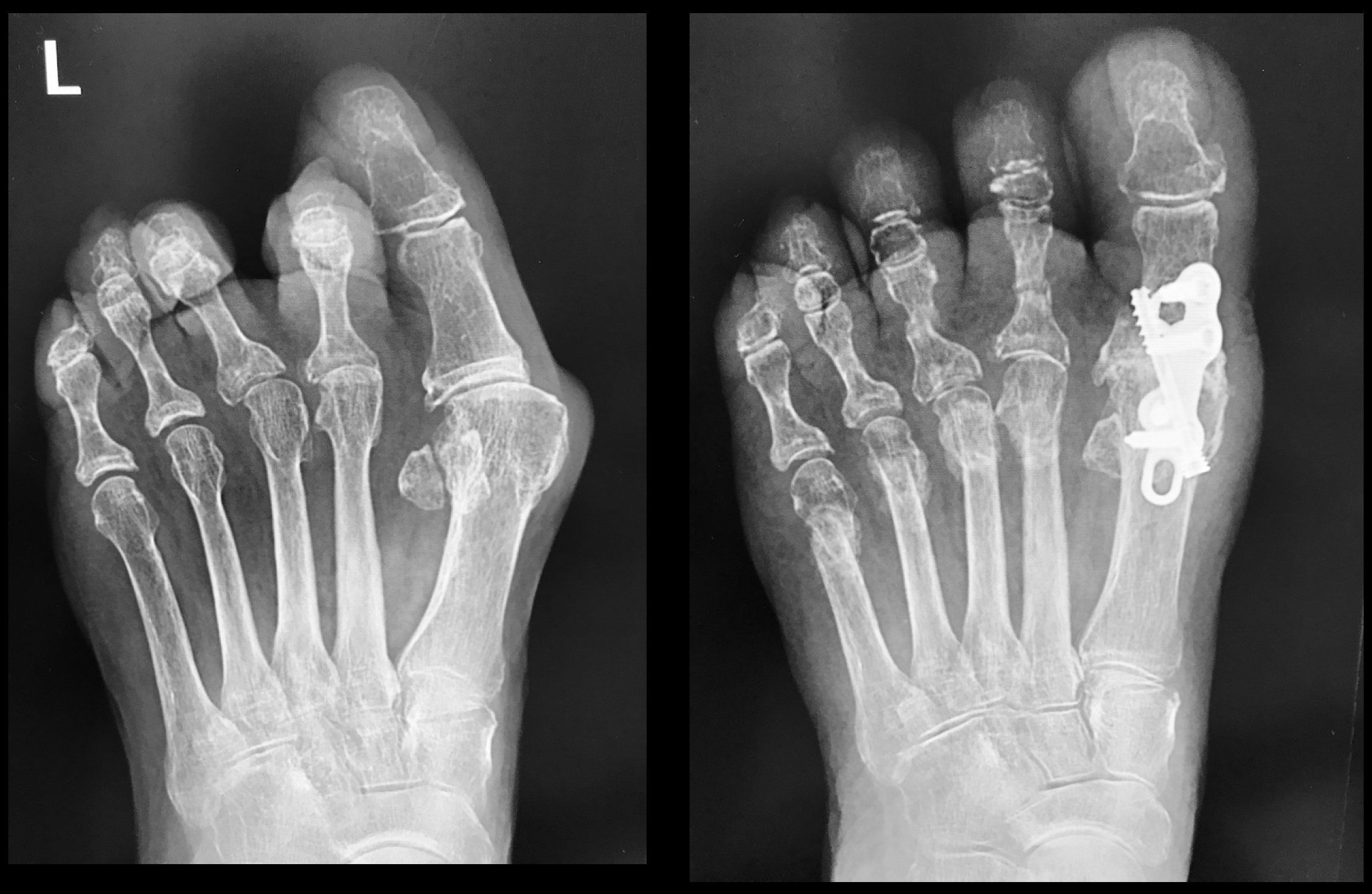
When stiffness and arthritis limit motion in the big toe joint, options may include:
- Bone spur removal (cheilectomy)
- Joint preservation procedures
- Corrective fusion for end-stage arthritis
Surgery is chosen based on joint condition, activity level, and long-term goals.
Tailor’s Bunions (Bunionette Deformity)

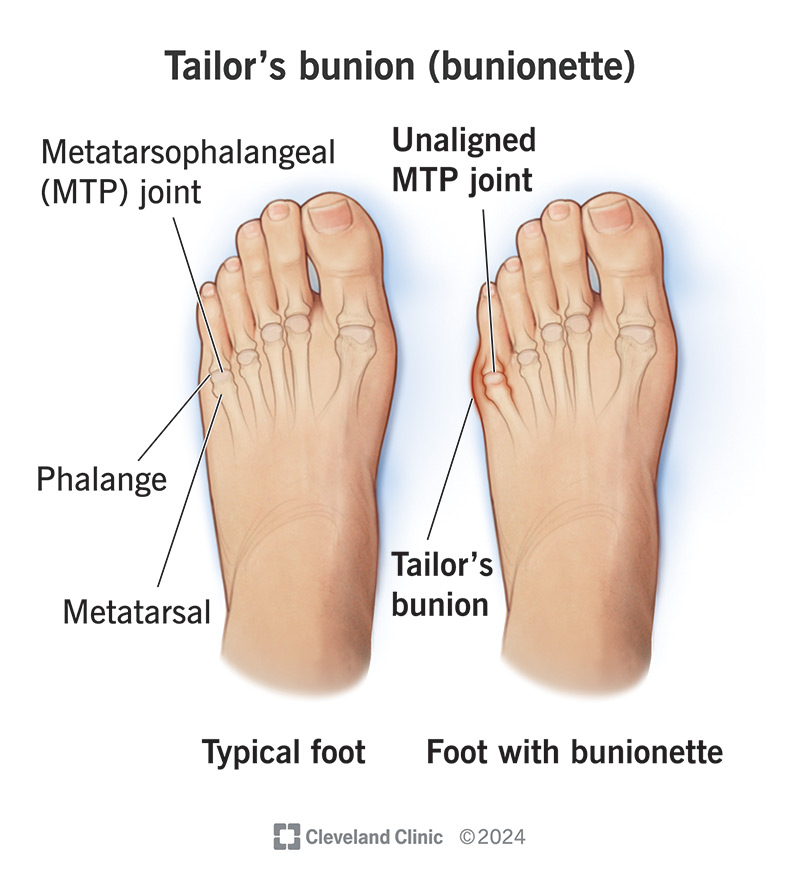
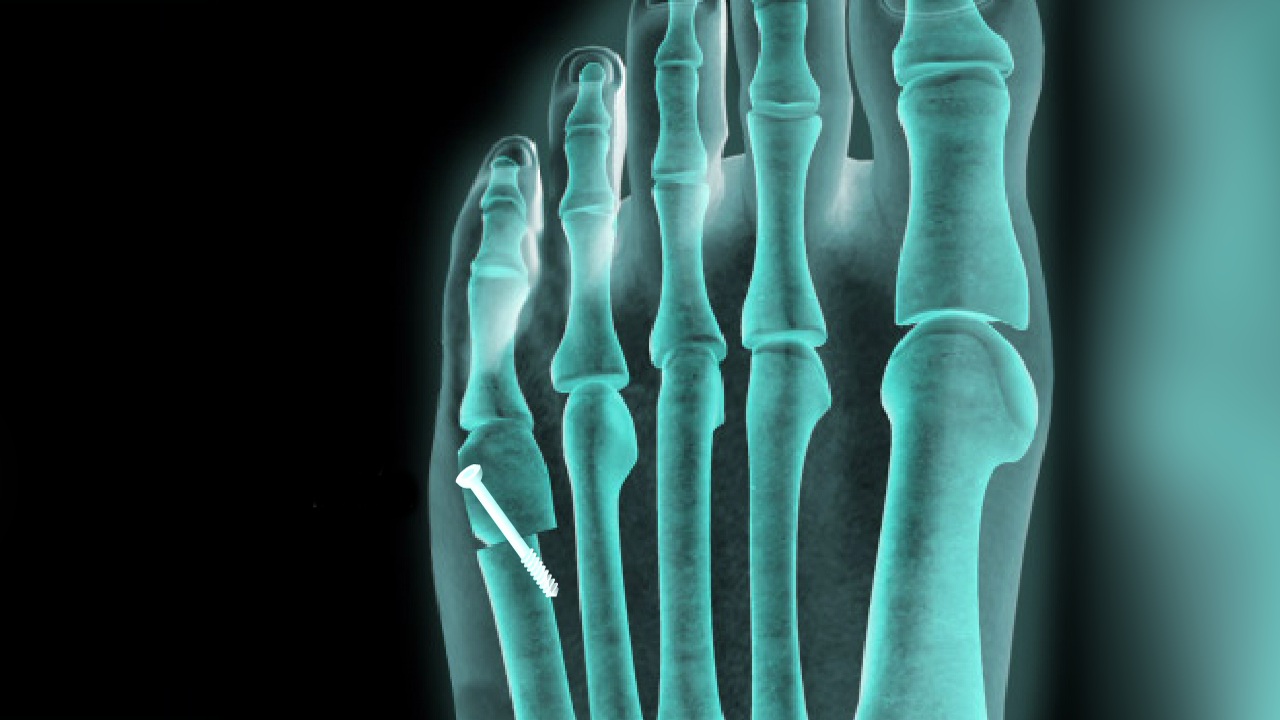
Painful prominence on the outside of the foot can make shoe wear difficult. Surgical realignment restores balance and reduces lateral foot pain.
Neuroma Surgery (Morton’s Neuroma)
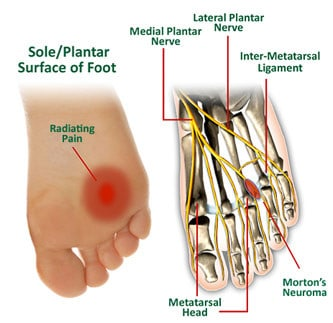
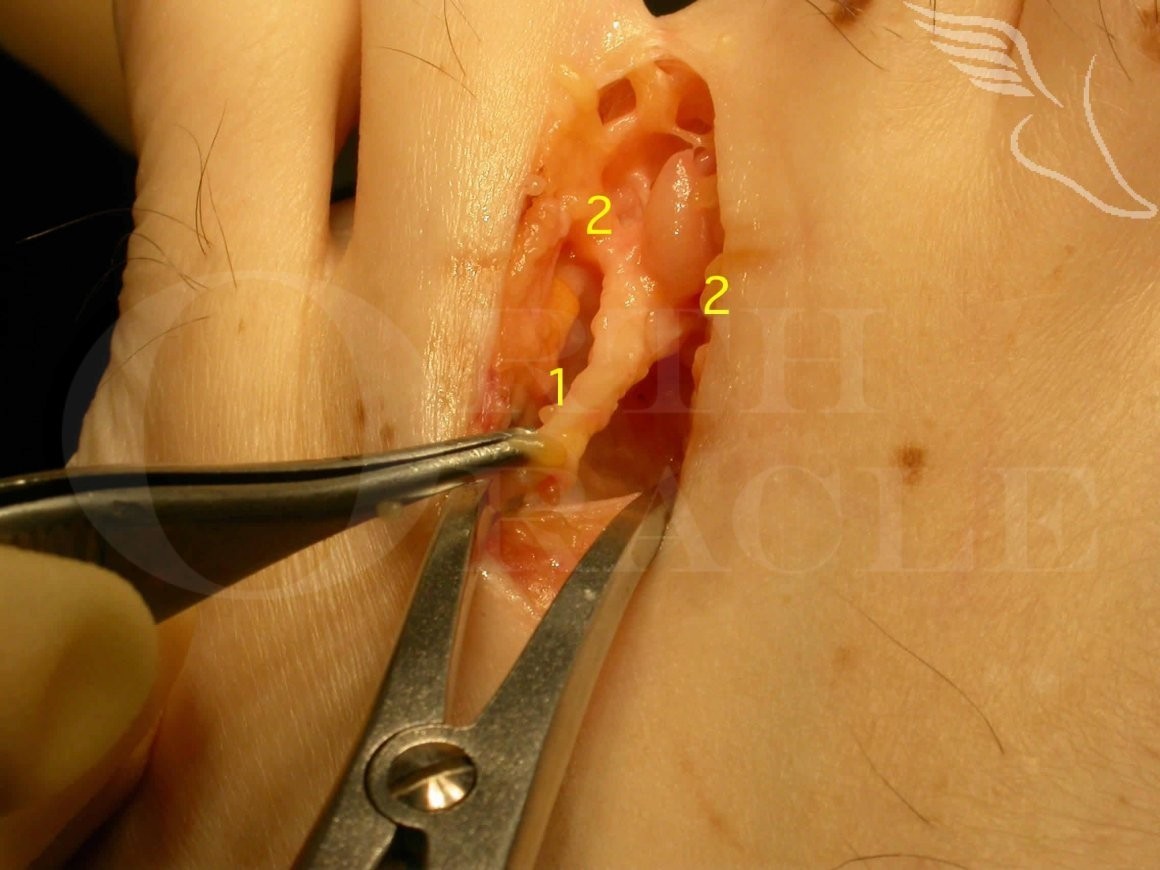
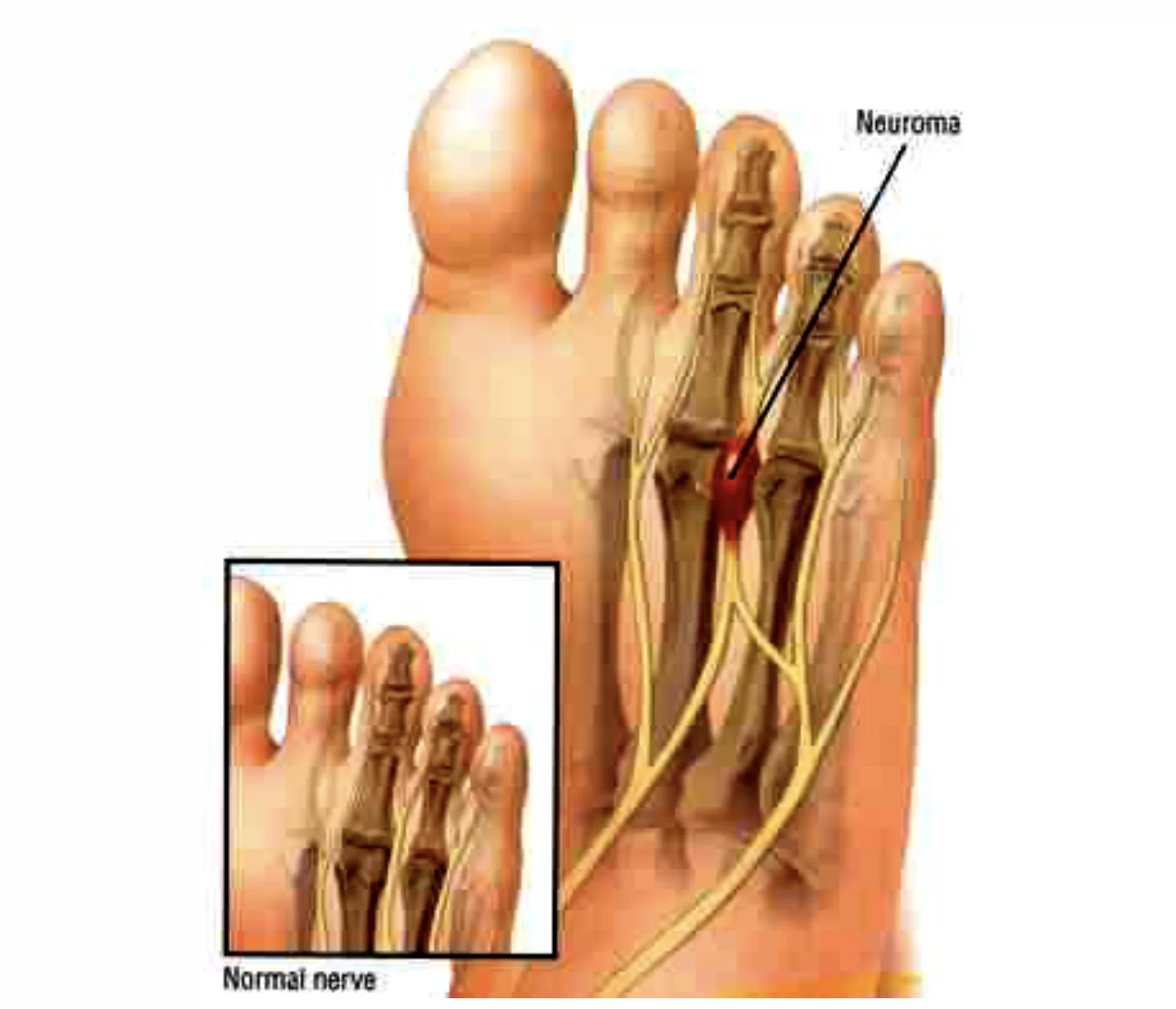
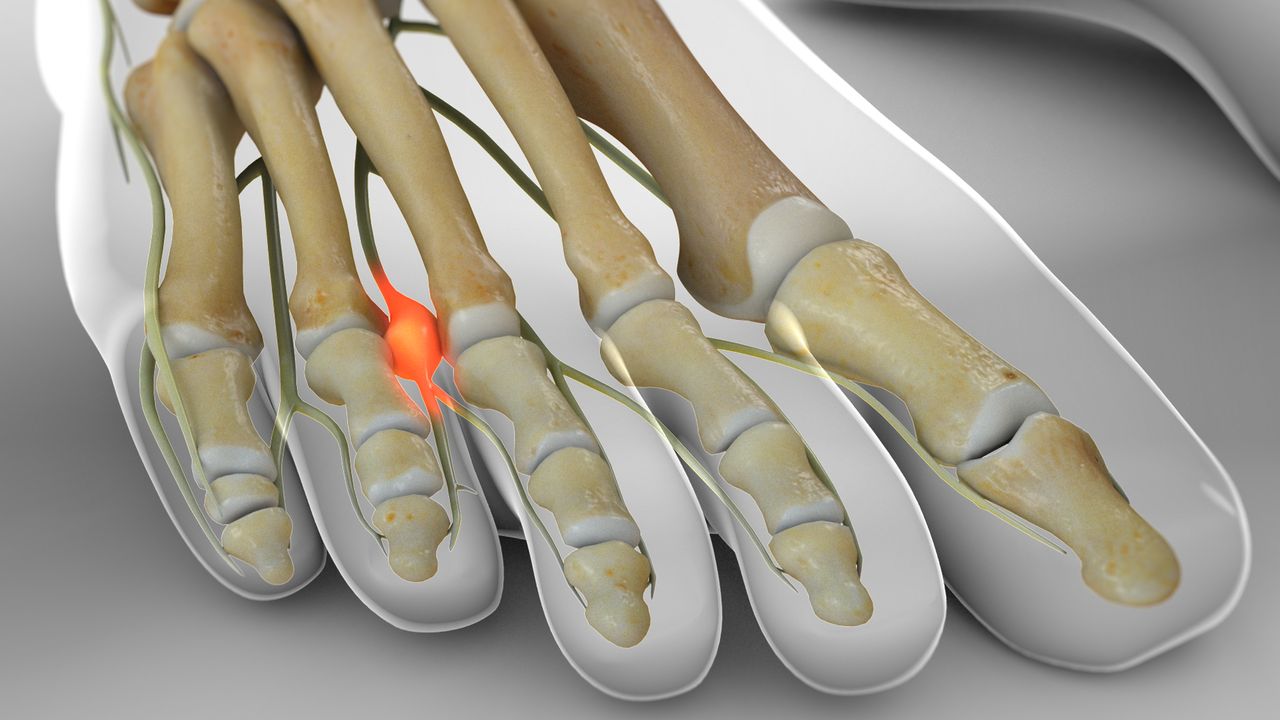
Burning, tingling, or numbness between the toes may indicate a neuroma. When injections and orthotics fail, surgical excision can relieve pain, with typically shorter recovery than bone procedures.
Surgeries for Injuries and Limb Preservation
These are urgent surgeries performed to preserve function and structure of the foot.
Limb Preservation & Infection Surgery
- diabetic foot infections
- gangrene
- abscess drainage
- bone infection surgery
- digital amputations
- ray resections
- transmetatarsal amputations
- ulcer-related exostectomy
- Charcot prominence reduction
Forefoot Injury & Sports Surgery
- sports-related forefoot injuries
- turf toe injuries
- simple tendon repair
- tendon lacerations
- forefoot reconstruction
- open reduction internal fixation of toes and metatarsals
- forefoot trauma
Forefoot Reconstruction Surgery
Forefoot reconstruction may involve bunion correction, hammertoe correction, metatarsal osteotomies, tendon balancing, neuroma excision, and joint-preserving procedures to restore alignment, reduce pain, and improve function.
Foot Surgeries Performed by Dr. Hoy
Some of the most common in-hospital reconstructive surgeries Dr. Hoy performs are for the following conditions:
- Bunions
- Hammertoes and clawtoe deformities
- Forefoot arthritis, such as hallux rigidus or limitus
- Tendon repair
- Plantar fasciitis
- Bone spurs
- Bone infections
- Foot fractures
- Soft tissue masses, deep
Some of the common surgeries Dr. Hoy performs includes:
- Bunion surgery/hallux valgus repair
- Hammertoe/clawtoe and toe deformity surgery
- Forefoot tendon repair and tendon balancing procedures
- Hallux limitus/rigidus surgery
- Joint repair and fusions of foot joints to address arthritis
- Osteotomies, to improve alignment and prevent worsening deformities or arthritis
- Bone spur removal
- Metatarsal surgery to improve alignment and reduce forefoot pressure
- Reconstructive surgery
- Neuroma excision surgery
- Pediatric surgery
- Trauma surgery, including foot fracture repair and dislocation repair
- Soft tissue mass excision
- Management of infection/limb salvage surgery
- Tendon lengthening/transfer
- Tenotomy
- Capsular release
- Corrective fusion
- Charcot foot stabillization and limb preservation
Read for more information about hospital surgeries here:
Bunion Surgery: There are many different types of bunion surgery depending on the severity of the bunion and the joint involvement. Dr. Hoy can explain the bunion procedure that is most appropriate for your bunion. Depending on the surgical procedure, the recovery time can be very different—particularly if you need to be on crutches after the surgery or in a cast.
Fusions: Fusions are usually performed to treat arthritic or painful conditions of the foot. A fusion involves removing all cartilage from a joint and then joining two or more bones together so that they do not move. Fusions can be done with screws, plates, or pins, or a combination of these.
Hammer Toe Surgery: Hammer toe surgery may involve removing a portion of one of the bones in the toe to realign the toe or could involve fusing the joints in the toe (see Fusions, above). In some cases, it may involve placing a temporary wire to hold the toes straight or a permanent implant in the toe to maintain realignment.
Heel Spur Surgery: Based on the condition and the nature of the disease, heel surgery can provide relief of pain and restore mobility in many cases. The type of procedure is based on examination and usually consists of plantar fascia release, with or without heel spur excision. There have been various modifications and surgical enhancements regarding surgery of the heel. Dr. Hoy will determine which method is best suited for you.
Metatarsal Surgery: Surgery on the long bones of the feet behind the second, third, fourth, and fifth toes is performed for a variety of reasons but is commonly performed to redistribute the weight bearing on the ball of the foot. In some severe cases, such as rheumatoid arthritis, surgery may involve removing the metatarsal heads (the bones in the ball of the foot area).
Neuroma Surgery: Neuroma surgery involves removing a benign enlargement of a nerve, which may be causing tingling/burning/numbness to certain toes, usually between the metatarsal heads in the ball of the foot. This soft tissue surgery tends to have a shorter recovery time than bone procedures, but it leaves some residual numbness related to the removal of the piece of nerve tissue.
Foot Reconstructive Surgery: Advanced procedures may include tendon balancing, joint stabilization, and corrective fusion to restore alignment and address long-standing deformities. Reconstructive surgery of the foot consists of complex surgical repair(s) that may be necessary to regain function or stability, reduce pain, and/or prevent further deformity or disease. Unfortunately, there are many conditions or diseases that range from trauma to congenital defects that necessitate surgery of the foot. Reconstructive surgery in many of these cases may require any of the following: tendon repair/transfer, fusion of bone, joint implantation, bone grafting, skin or soft tissue repair, tumor excision, amputation, and/or the osteotomy of bone (cutting of bones in a precise fashion). Bone screws, pins, wires, staples, and other fixation devices (both internal and external), and casts may be utilized to stabilize and repair bone in reconstructive procedures. These techniques are used to correct the underlying structural problems causing pain, instability, or progressive deformity.
Forefoot Tendon Surgery: Surgery on the tendons can be performed for acute injuries such as ruptures and can also be performed for chronic conditions to lengthen or shorten the tendon, depending on the problem.
Charcot Foot Surgery: Dr. Hoy performs limb preservation, exostectomy, wound management, and selective stabilization. Charcot foot can lead to collapse, ulceration, bony prominence, instability, and infection. Dr. Hoy provides selective surgical treatment focused on limb preservation, including exostectomy (removal of bony prominences), wound management, infection control, and stabilization when appropriate. For severe Charcot deformities requiring complex reconstruction with external fixation, referral to specialized tertiary centers may be recommended.
Comprehensive Podiatric Foot Surgery
Definitely see Dr. Hoy if you’ve had problems seeing a general practitioner or orthopedist with no luck. It may be that you need a more specialized opinion.” -Samuel S.
Comprehensive podiatric foot surgery involves much more than correcting visible deformities. It requires the ability to diagnose the underlying condition, understand the biomechanics and anatomy involved, evaluate conservative and surgical options, and manage the patient throughout treatment and recovery.
Dr. Hoy’s surgical practice includes bony procedures primarily distal to the Lisfranc joint, including forefoot deformity correction, treatment of selected forefoot injuries and infections, and limb-preservation procedures such as transmetatarsal amputation when indicated. He also performs selected tendon procedures, soft-tissue mass excision involving the foot and ankle, and straightforward procedures such as appropriate exostectomy. Surgical decisions reflect his training, experience, clinical privileges, and the needs of each patient. When a condition requires surgery beyond Dr. Hoy’s regular operative scope, he refers patients to appropriately qualified podiatric surgeons. This allows patients to remain within the podiatric specialty while receiving care from a surgeon whose experience and qualifications are appropriate for the procedure. Orthopedic referral may be appropriate in selected circumstances when the patient’s condition requires it.
Read about: What Is the Difference Between a Podiatrist and an Orthopedic Foot Surgeon?
Surgery Only When It’s the Right Decision
At Seattle Foot and Ankle Center, surgery is never the first step unless necessary. The best outcome is our first priority. Surgery is considered within the context of a comprehensive evaluation of the foot and ankle—not as an automatic destination. A referral for evaluation does not presume surgery; it allows the diagnosis and the full range of appropriate treatment options to be considered first.
A robust array of non-surgical options, such as:
- Extracorporeal shockwave therapy
- Custom orthotics
- Bracing
- Rehabilitation
- Medication and injection therapy
are used as first-line treatment to resolve your foot or ankle condition.
“I contacted Dr. Hoy just a few days before a major surgery for my left foot to get his insight/second opinion and his guidance saved me from quite a major recovery/financial burden. After suffering from a 10 month long miserable foot issue, Dr. Hoy suggested essential changes to my self treatment and I’m now nearly at a full recovery ~6 weeks later.” -Austin H.
Sometimes foot and ankle conditions do not resolve with non-surgical care, may benefit from early surgical intervention, or require urgent surgery, such as in the case of infections and injuries. When pain or deformity persists, surgery may be appropriate to alleviate discomfort or restore function. Dr. Hoy can determine when surgical intervention may be helpful.
Surgery is considered only after the diagnosis, severity of the condition, functional impact, and available non-surgical options have been evaluated. For patients who have been told they need surgery, an independent foot and ankle evaluation can also help clarify whether surgery is appropriate and what alternatives may exist.
Dr. Hoy’s surgical philosophy is grounded in proven principles of deformity correction, biomechanics, tissue preservation, and long-term function. He believes surgery should be based on sound judgment, established techniques, and what offers the highest likelihood of success—not novelty, unnecessary complexity, or trends that have not yet stood the test of time.
When appropriate, Dr. Hoy will also refer patients to other centers of excellence in the Seattle area for procedures outside his specific training or expertise. When a condition requires highly specialized rearfoot reconstruction, advanced ankle stabilization, or complex external fixation, Dr. Hoy coordinates referral to trusted surgical centers while continuing to provide diagnosis, conservative care, second opinions, and postoperative co-management. Dr. Hoy provides expert diagnosis, conservative management, second opinions, and referral coordination when advanced surgical care is needed. This ensures you have access to the full spectrum of surgical options and the best possible care for your condition.
Surgical Judgment Matters
Good surgery is not about doing the biggest procedure—it is about doing the right procedure. Some conditions benefit from early intervention, while others improve without surgery. Knowing the difference is one of the most important parts of surgical care.
Hospital & Surgical Center Privileges

Dr. Hoy performs outpatient and hospital-based surgery within the Swedish Medical Center system, including:
- Ballard Hospital
- Redmond Ambulatory Surgery Center
This allows access to high-quality operating facilities and coordinated perioperative care.
What to Expect
Understanding Your Condition and Treatment Options
Full understanding of your condition and options allows you to make informed decisions about your care. During your initial visit, we will evaluate your condition and discuss all possible treatment options. This appointment also allows us to review your goals and expectations, which is especially important for patients with severe deformities or advanced-stage disease.
If surgery is recommended, Dr. Hoy will explain the procedure in detail, including what the surgery involves, as well as the potential risks, benefits, and recovery process. If operating room surgery is indicated, we will review the procedure and obtain X-rays if necessary. A formal surgical consultation, including signing consent forms, will take place at a follow-up visit.
Dr. Hoy will also coordinate with your primary care physician to ensure you are medically ready for surgery. Throughout the perioperative period, he will guide you through each step of the process, answer your questions, and support your recovery with the goal of improving mobility and helping you return to your normal activities.
“I have had 2 separate foot surgeries through Dr Hoy, and both times I felt very comfortable with the procedures Dr Hoy recommended. He is knowledgeable in is field, and takes time to listens to his patient’s concerns. I would highly recommend him for your foot needs!” – Mary T.
Preoperative Testing and Care
As with any surgical procedure, patients undergoing foot or ankle surgery may require certain tests or examinations beforehand to help ensure the best possible outcome.
Before surgery, Dr. Hoy will review your complete medical history and current health conditions. This includes evaluating any illnesses, allergies, and medications you are currently taking. Additional tests may be ordered to assess your overall health, such as:
- Blood tests
- Urinalysis
- Electrocardiogram (EKG)
- X-rays
- Blood flow studies to evaluate circulation in the feet and legs
- An examination of your foot structure and walking pattern
Depending on the results of these tests or your specific medical conditions, a consultation with another medical specialist may also be recommended.
Postoperative Care
The type of foot or ankle surgery performed will determine the length and type of care required during recovery. Most postoperative care includes some combination of the following:
- Rest
- Ice
- Compression
- Elevation
You may also need supportive devices such as bandages, splints, surgical shoes, casts, crutches, or canes to protect your foot and ensure a safe recovery.
Dr. Hoy will advise you on when it is safe to begin putting weight on your foot after surgery. His goal is to help you achieve a smooth and timely recovery. Carefully following the postoperative instructions provided before and after surgery will help ensure the best possible outcome.
Understanding Your Foot or Ankle Surgery
In-Office Surgical Procedures
Many foot conditions can be treated safely in the office using local anesthesia, avoiding the need for hospital-based surgery. These procedures are performed when medically necessary to relieve pain, treat infection, or prevent complications.
- Treatment of ingrown toenails and painful nail conditions (when medically indicated)
- Wart removal and skin lesion treatment, including biopsy when needed
- Callus and pressure lesion care to relieve pain and help prevent ulcers
- Minor soft tissue procedures performed safely in-office
Dr. Hoy performs in-office surgeries, such as for:
- Thick or fungal toenails
- Retronychia
- Dark lines on nails
- Toenail trauma
- Painful corns or calluses
- Ulcers and wounds
- Corticosteroid injections
- Ingrown toenails
- Foreign bodies
- Infections
- Biopsies for skin lesions
- Warts
- Soft tissue masses, superficial
- Tenotomies
A new patient visit is required to identify the condition and discuss all treatment options. If office surgery is indicated, informed consent is obtained along with a discussion of postoperative instructions. Elective procedures requiring anesthesia will be performed on the next visit. Dr. Hoy wants you to have a satisfactory and speedy recovery, and this outcome can be achieved by carefully following the postoperative instructions that you have discussed prior to and immediately after surgery. Our patients can expect a successful result with a smooth recovery with in-office surgeries.
Read below for more information about specific in-office surgeries:
Nail Surgery: Toenails can become deformed, damaged, or infected. It may be determined that the best treatment may involve surgery. Surgery is typically performed in the office under local anesthetic, and many patients can walk out and return to activities. Surgery involves either partial or total removal of the nail. An avulsion is a non-permanent type of surgery that allows relief, but the nail will grow back. A matrixectomy is a permanent type of surgery, which involves destroying and/or removing the nail root so that no new nail grows. Other nail procedures include subungual hematoma evacuation; nail biopsy/excision.
Skin Surgery: Lipomas, fibromas, warts, moles, and rashes can occur on any part of the foot skin surface. Some of these conditions can be painful and impact function. In other cases, they can be questionable because they are new in appearance and a biopsy may be recommended. These skin conditions may or may not be painful. Depending on the size and depth of the condition, surgery may be performed in the office under local anesthesia or take place in the operating room. Procedures we perform include debridement of ulcers and hyperkeratoses, wart treatment, corn/callus care, soft-tissue mass excision.
When Every Step Hurts — It May Be Time for a Surgical Consultation
When every step hurts and nothing has worked yet, it may be time to consider a surgical solution.
If you are searching for:
- Seattle bunion surgeon
- Hammertoe surgery Seattle
- Hallux rigidus surgery Seattle
- Neuroma removal Seattle
- Forefoot reconstruction specialist
You deserve a surgeon who focuses on the foot — every day.
“Seattle Foot and Ankle Center – I cannot say enough good things about this practice! Dr. Hoy was kind, professional, and took the time to explain everything clearly so I always knew what to expect, including clearly outlining all of my options. And I can’t forget, Jessica (front of the office) who is equally amazing, professional and patient. The entire team made the process (I opted for surgery) smooth and stress-free. From start to finish, the communication was excellent, and I felt well cared for at every step. Highly recommended for anyone looking for top-notch care and a team that truly values their patients. Thank you Dr. Hoy!” – Rochelle J.
Frequently Asked Questions About Foot & Ankle Surgery in Seattle
Dr. Hoy specializes in forefoot reconstruction surgery, including:
Bunion surgery (hallux valgus repair)
Hammertoe and clawtoe correction
Hallux rigidus (big toe arthritis) procedures
Tailor’s bunion (bunionette) correction
Morton’s neuroma excision
Tendon repair and lengthening
Joint fusions and osteotomies
Bone spur removal
Pediatric foot surgery
Trauma and fracture repair
Soft tissue mass excision
He also performs in-office minor surgical procedures like ingrown toenail correction, wart removal, and superficial mass excision.
Podiatric surgeons focus exclusively on the foot and ankle, which allows them to:
Perform forefoot reconstruction routinely
Understand detailed weight-bearing biomechanics
Design surgery and recovery plans specific to your foot
Optimize outcomes and long-term joint preservation
Orthopedic surgeons divide time among shoulders, hips, knees, and spine, whereas Dr. Hoy’s daily practice centers solely on foot and ankle care.
Not always. Dr. Hoy prioritizes conservative care first, including:
Extracorporeal shockwave therapy
Custom orthotics and bracing
Physical therapy coordination
Medication and injection therapy
Surgery is recommended only when non-surgical treatments fail or deformity progresses.
Your initial visit includes:
Thorough evaluation of your condition
Discussion of all treatment options (surgical and non-surgical)
Review of goals, expectations, and recovery timeline
Imaging studies like X-rays or gait analysis if needed
If surgery is indicated, Dr. Hoy explains the procedure, risks, benefits, and postoperative care.
Preoperative evaluation may include:
Medical history review (allergies, medications, chronic conditions)
Blood work, urinalysis, or EKG if needed
Imaging or blood flow studies of the foot
Consultation with other specialists if indicated
This ensures safe and effective surgery.
Recovery depends on the surgery type but may include:
Rest, ice, compression, and elevation (RICE)
Bandages, splints, surgical shoes, casts, crutches, or canes
Weight-bearing guidance specific to your procedure
Structured follow-up visits for optimal healing and mobility
Dr. Hoy provides detailed instructions to support a speedy and safe recovery.
Yes. Many procedures are safely performed under local anesthesia in the office, including:
Partial or permanent ingrown toenail correction
Nail matrix surgery (avulsion)
Wart removal
Superficial soft tissue mass excision
Corticosteroid injections
Foreign body removal and biopsies
Patients usually walk out the same day with clear aftercare instructions.
Surgery may be considered if you have:
Persistent pain despite conservative care
Difficulty walking or wearing shoes
Progressive toe deformities or joint stiffness
Neuroma or nerve pain not relieved by injections or orthotics
Early evaluation allows tailored treatment to preserve function and prevent worsening deformities.
Dr. Hoy performs surgeries in hospital and outpatient settings within the Swedish Medical Center system, including:
Ballard Hospital
Redmond Ambulatory Surgery Center
This ensures high-quality operating facilities and coordinated perioperative care.
Schedule a Surgical Consultation
At Seattle Foot and Ankle Center, Dr. John Hoy combines conservative judgment with advanced surgical precision.
If you are searching for:
- Seattle bunion surgeon
- Hammertoe surgery Seattle
- Hallux rigidus surgery Seattle
- Neuroma removal Seattle
- Forefoot reconstruction specialist
Call 206-682-8741 or schedule online to consult with Dr. John Hoy, a board-certified foot surgeon who prioritizes precision, safety, and long-term mobility.
📍 Convenient Seattle location
📞 Call today to schedule your consultation
Your mobility. Your comfort. Your future steps — done right.
For healthcare professionals: We welcome referrals for diagnostic evaluation, conservative management, rehabilitation, and surgical assessment when indicated. See our Referring Providers page for referral indications and instructions.
In pain? Don’t wait. Early treatment leads to faster recovery. Urgent appointments available. Read about Conditions We Treat. Request an Appointment online. Call: 206-682-8741 or Contact Us. Refer a Patient. If you like our content, please link it to your website. Thank you.