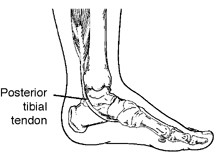
The posterior tibial tendon is one of the most important structures supporting the arch of the foot. When this tendon becomes inflamed, stretched, or torn, it may no longer be able to support the arch properly. Over time, the arch can collapse, the foot may become progressively flatter, and arthritis can develop in the foot and ankle.
Posterior tibial tendon dysfunction (PTTD), also known as adult acquired flatfoot, is a progressive condition that is often easier to treat when diagnosed early. At Seattle Foot and Ankle Center, Dr. John Hoy provides comprehensive treatment for PTTD, including custom orthotics, bracing, physical therapy, and surgical reconstruction when necessary.
Pain along the inside of the ankle is not always simple tendonitis. Early posterior tibial tendon dysfunction may resemble a routine overuse injury, but it can represent the beginning of a progressive condition that affects the tendon, foot alignment, and long-term joint health. Comprehensive evaluation helps determine the stage of the condition and guides appropriate conservative or surgical treatment.
What Is PTTD?
The posterior tibial tendon serves as one of the major supporting structures of the foot, helping it to function while walking. Posterior tibial tendon dysfunction (PTTD) is a condition caused by changes in the tendon, impairing its ability to support the arch. This results in flattening of the foot.
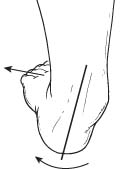
PTTD is one of the most common causes of adult acquired flatfoot deformity. As the tendon weakens, the arch gradually collapses and the foot begins to roll inward. Without treatment, the condition may progress from tendon inflammation to tendon failure, deformity, and arthritis.
PTTD is often called adult acquired flatfoot because it is the most common type of flatfoot developed during adulthood. Although this condition typically occurs in only one foot, some people may develop it in both feet. PTTD is usually progressive, which means it will keep getting worse, especially if it is not treated early.
Causes of Posterior Tibial Tendon Dysfunction
PTTD develops when the posterior tibial tendon becomes damaged or overloaded over time. Overuse of the posterior tibial tendon is often the cause of PTTD. In fact, the symptoms usually occur after activities that involve the tendon, such as running, walking, hiking or climbing stairs.
Common risk factors include:
Flat feet or overpronation
Running injuries
Hiking and prolonged walking
Obesity
Diabetes
Previous ankle injuries
Inflammatory arthritis
Increasing age
Repetitive overuse activities
The condition often develops gradually but may occasionally begin after an injury.
Symptoms of Posterior Tibial Tendon Dysfunction
Symptoms often worsen as the condition progresses and may include:
Pain along the inside of the ankle
Swelling along the posterior tibial tendon
Tenderness behind the inside ankle bone
Progressive flattening of the arch
Foot fatigue during walking
Inward rolling of the ankle
Toes drifting outward
Difficulty standing on tiptoe
Difficulty walking long distances
Pain on the outside of the foot in advanced stages
Progressive foot deformity
Development of foot or ankle arthritis
Diagnosis
Why Early Diagnosis Matters
Posterior tibial tendon dysfunction is often most responsive to treatment before significant tendon damage or arch collapse develops. Because symptoms may overlap with tendonitis, ankle arthritis, plantar fasciitis, or generalized flat feet, establishing the correct diagnosis early allows treatment to focus on the underlying problem rather than symptoms alone.
The foot and ankle are an anatomic region, and podiatry is the specialty dedicated to that region. Musculoskeletal conditions of the foot and ankle have long been part of comprehensive podiatric medicine. Podiatrists diagnose and treat these conditions using both conservative and surgical approaches. A foot and ankle physician can first evaluate the problem, establish the diagnosis, and determine the appropriate course of care. When additional expertise is needed, that care can be coordinated as part of the treatment plan.
How PTTD Is Diagnosed
Diagnosis begins with a comprehensive foot and ankle evaluation, including assessment of tendon function, foot alignment, gait, flexibility, and overall biomechanics. X-rays help evaluate arch collapse and arthritis, while MRI or ultrasound may be recommended when tendon degeneration or tearing is suspected. Identifying the stage of PTTD is important because treatment recommendations differ as the condition progresses.
Why Early Treatment Matters
PTTD is a progressive condition. Persistent tendon pain may indicate tear, degeneration, overload, or structural imbalance rather than isolated inflammation. Early treatment may help reduce pain, slow progression of the deformity, and decrease the likelihood of future arthritis or reconstructive surgery.
Many patients can successfully manage the condition with custom orthotics, supportive footwear, and bracing when treatment begins early.
Nonsurgical Treatment for PTTD
Early-stage PTTD often responds well to conservative treatment.
Treatment options may include:
Custom Orthotics
Custom orthotics do more than relieve symptoms. By improving foot alignment and reducing stress on the posterior tibial tendon, they help address one of the biomechanical contributors to progressive flatfoot deformity.
Bracing
An ankle brace or ankle-foot orthosis (AFO) may be recommended when additional support is needed.
Immobilization
A walking boot or cast may be used during painful flare-ups to allow the tendon to rest and heal.
Rehabilitation
Rehabilitation is an important component of treatment once the stage of PTTD has been established and the tendon has adequate support through appropriate footwear, bracing, or orthotics. Rehabilitation programs are most effective when they are tailored to the degree of tendon dysfunction and foot deformity.
Treatment may include:
Strengthening exercises
Flexibility training
Balance exercises
Gait retraining
Ultrasound therapy
Rehabilitation may be an important component of tendon treatment, particularly once the tissue can safely tolerate progressive loading. Learn more about Foot & Ankle Rehabilitation.
Anti-inflammatory Treatment
Ice, activity modification, and anti-inflammatory medications may help reduce pain and swelling.
Supportive Footwear
Supportive shoes can help reduce stress on the tendon and improve overall foot mechanics.
When Is Surgery Needed?
The decision to recommend surgery is based on the stage of tendon dysfunction, the degree of deformity, arthritis, activity goals, and response to comprehensive conservative treatment.
In cases of PTTD that have progressed substantially or have failed to improve with nonsurgical treatment, surgery may be required. For some advanced cases, surgery may be the only option. Your foot and ankle surgeon will determine the best approach for you.
Surgical treatment may be considered when:
The tendon has significantly deteriorated
Flatfoot deformity continues to worsen
Arthritis develops
Pain persists despite conservative treatment
Depending on the stage of the condition, surgery may involve tendon repair, tendon transfer, osteotomy procedures, ligament reconstruction, or flatfoot reconstruction.
Dr. Hoy will discuss the most appropriate treatment options based on the severity of the deformity and the patient’s goals.
Frequently Asked Questions
Is PTTD the same as adult acquired flatfoot?
Yes. Posterior tibial tendon dysfunction is the most common cause of adult acquired flatfoot.
Can custom orthotics help PTTD?
Yes. Custom orthotics often help support the arch, reduce tendon strain, and improve walking comfort.
Does PTTD get worse over time?
PTTD is generally considered a progressive condition that may worsen if left untreated.
Can PTTD be treated without surgery?
Many patients improve with orthotics, bracing, physical therapy, and supportive footwear.
When is surgery needed for PTTD?
Surgery may be recommended when conservative treatment fails or when deformity and arthritis become advanced.
Schedule a PTTD Evaluation in Seattle
Pain along the inside of the ankle, progressive flattening of the arch, and worsening foot fatigue may be signs of posterior tibial tendon dysfunction.
Persistent pain along the inside of the ankle or progressive flattening of the arch should not simply be attributed to aging or “flat feet.” Early evaluation helps determine whether symptoms are caused by posterior tibial tendon dysfunction, arthritis, ligament injury, or another foot and ankle condition so treatment can begin before deformity progresses.
Dr. John Hoy provides comprehensive treatment for posterior tibial tendon dysfunction and adult acquired flatfoot, including custom orthotics, bracing, conservative care, and surgical reconstruction when necessary.